West Bengal Elections: A Critical Stress Test for India's Federal Structure
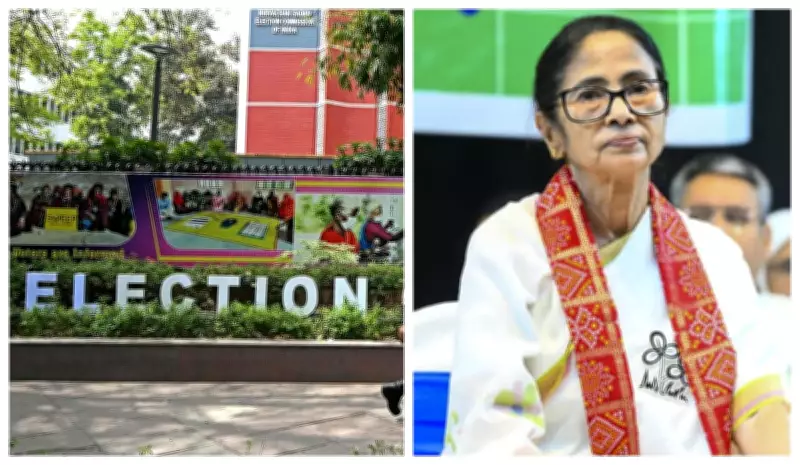
The upcoming West Bengal assembly elections in 2026 are emerging as a pivotal moment, not just for regional politics but for the very fabric of India's federal system. Recent actions by the Election Commission of India in the state have ignited intense discussions, raising profound questions about constitutional boundaries and the future equilibrium of power between the central and state governments.
Constitutional Overreach and Federal Balance
Observers and analysts are closely monitoring the Election Commission's role, with many expressing concerns that its interventions might constitute an overstep of constitutional mandates. This situation is viewed as a stress test for India's federalism, testing the resilience of the division of powers enshrined in the Constitution. The delicate balance between central authority and state autonomy is under scrutiny, as decisions made in West Bengal could set precedents affecting electoral processes nationwide.
In this context, the actions taken by the Election Commission are seen as potentially troubling, as they may influence the democratic process in ways that challenge the principles of cooperative federalism. The commission's measures, aimed at ensuring free and fair elections, are being debated for their impact on state sovereignty and the broader framework of Indian governance.

Implications for National Politics
The West Bengal polls are not merely a regional affair; they hold significant implications for India's political landscape. As a key state with a history of vibrant political movements, West Bengal's electoral outcomes often resonate across the country. The current scenario, with Mamata Banerjee and other leaders at the forefront, highlights the tensions that can arise when federal institutions interact with state-level politics.
This election cycle is prompting a reevaluation of how federalism operates in practice, with potential consequences for:
- The autonomy of state governments in conducting their own affairs.
- The role of central bodies in overseeing state elections.
- The long-term health of India's democratic and federal structures.
Experts argue that the way this stress test is handled could either reinforce federal principles or lead to a centralization of power, altering the dynamics of Indian politics for years to come.
Looking Ahead to 2026 and Beyond
As the 2026 elections approach, all eyes are on West Bengal to see how these federal challenges unfold. The outcome will likely influence not only the state's governance but also set a tone for intergovernmental relations in India. It serves as a reminder that federalism is a living, evolving concept that requires constant vigilance to maintain its balance.
In summary, the West Bengal assembly elections represent a critical juncture for assessing the strength and adaptability of India's federal system. The debates sparked by the Election Commission's actions underscore the need for clear constitutional guidelines and cooperative governance to preserve the integrity of both democracy and federalism in the world's largest democracy.