Every year on December 19, the sun-kissed beaches and vibrant culture of Goa celebrate more than just its scenic beauty. The state marks Goa Liberation Day, commemorating its hard-won freedom from over 450 years of Portuguese colonial rule. This historic milestone was achieved in 1961, a full 14 years after India gained independence from the British. The story of Goa's liberation is a complex tapestry woven with the efforts of freedom fighters, diplomatic pressure, and decisive military action.
The Long Struggle Against Portuguese Rule
The Portuguese first established their foothold in Goa in 1510, making it the oldest European colonial enclave in India. For centuries, the people of Goa lived under foreign administration, which often suppressed local culture and political aspirations. The call for liberation grew louder in the 20th century, inspired by India's own freedom movement.
Several courageous individuals and groups spearheaded the fight. The movement was not monolithic; it included peaceful satyagrahis, political organizers, and underground revolutionaries. A key figure was Dr. Tristão de Bragança Cunha, often called the "Father of Goan nationalism." He founded the Goa Congress Committee in 1928 and tirelessly advocated for integration with India, facing imprisonment and exile for his beliefs.

Another prominent leader was Purushottam Kakodkar, who worked closely with the Indian National Congress and later served as a member of the Lok Sabha from Goa. The fight also saw the rise of organizations like the Azad Gomantak Dal (AGD) and the United Front of Goans (UFG), which believed in more direct action to challenge Portuguese authority.
Operation Vijay: The Final Military Campaign
Despite years of protests and diplomatic efforts, the Portuguese dictator António de Oliveira Salazar refused to relinquish control. Peaceful satyagraha marches by Indians into Goa in 1955 were met with brutal force, resulting in martyrdoms. As negotiations stalled, Prime Minister Jawaharlal Nehru's government finally authorized military action.
On December 18, 1961, the Indian Armed Forces launched Operation Vijay. It was a swift and well-coordinated multi-pronged attack. The Indian Army, Navy, and Air Force moved in to secure the territories of Goa, Daman, and Diu. The campaign was led by Major General K. P. Candeth. Facing the overwhelming might of the Indian forces, the Portuguese Governor-General, Vassalo da Silva, surrendered on December 19, 1961.
The operation lasted barely 36 hours, resulting in minimal casualties. The decisive action formally ended Portuguese colonialism in India, and Goa was integrated into the Indian Union. Lieutenant General J. N. Chaudhari accepted the formal surrender from Governor-General da Silva, marking the dawn of a new era for Goa.
Legacy and Celebration of Freedom
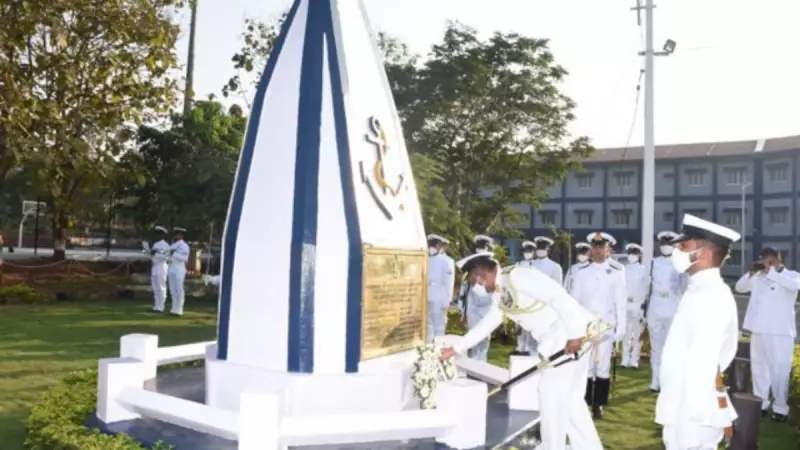
The liberation of Goa was a momentous event that completed India's territorial integration. It demonstrated the resolve of the Indian government to safeguard its sovereignty and support its people's aspirations. The day is now celebrated with great fervor across the state. Official ceremonies include the laying of wreaths at memorials, parades by the armed forces and police, and cultural programs showcasing Goan heritage.
The day serves as a powerful reminder of the sacrifices made by countless freedom fighters. While figures like Peter Alvares and Laxmikant Bhembre are remembered locally, the liberation was ultimately a collective triumph. It stands as a testament to the resilience of the Goan people and a defining chapter in India's post-independence history. The integration paved the way for Goa to flourish, eventually becoming India's 25th state in 1987.
Today, Goa Liberation Day is not just a public holiday but a symbol of pride and identity. It honors the past while celebrating the peace, prosperity, and unique cultural mosaic that defines modern Goa.