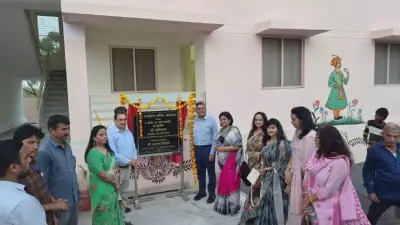
Delhi witnessed a massive show of patriotism and national unity as thousands of citizens participated in the Unity March commemorating the 150th birth anniversary of Sardar Vallabhbhai Patel. The event, organized across multiple locations in the national capital, brought together people from all walks of life to honor the legacy of India's first Home Minister.
Nationwide Tribute to the Iron Man
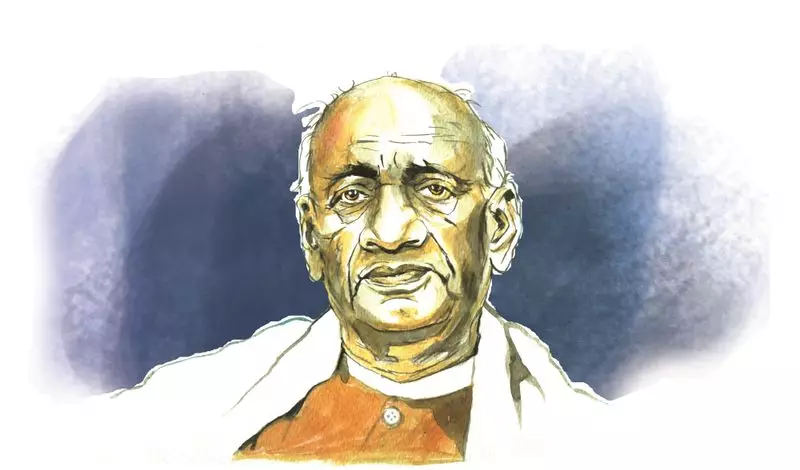
The Unity March formed part of the larger nationwide celebrations honoring Sardar Patel, famously known as the Iron Man of India. Participants gathered at various starting points across Delhi, carrying Indian flags and banners celebrating Patel's contribution to national integration. The atmosphere remained charged with patriotic fervor throughout the event.
Organizers had meticulously planned the march routes to ensure maximum participation while maintaining smooth traffic flow. The event saw particularly strong turnout from youth organizations, educational institutions, and local community groups who had been preparing for this tribute for several weeks.

Multiple Locations, Single Message
The march was strategically organized across multiple locations throughout Delhi, making it accessible to residents from different parts of the city. Each route was designed to symbolize the unity that Sardar Patel championed throughout his political career.
Participants marched while chanting patriotic slogans and carrying placards highlighting Patel's role in unifying the princely states after independence. Many marchers dressed in traditional attire, adding cultural significance to the event. The coordination between different march locations demonstrated impressive organizational capability.
Legacy of Unity and Integration
Sardar Vallabhbhai Patel's monumental achievement in integrating over 560 princely states into the Indian Union remains his most celebrated contribution to the nation. The Unity March served as a powerful reminder of this historical accomplishment that helped shape modern India.
The event also emphasized the continuing relevance of Patel's vision of strong, united India in contemporary times. Speakers at various gathering points highlighted how his principles of national integration continue to guide the country's development trajectory.
Local authorities had made elaborate security arrangements to ensure the march proceeded smoothly. Traffic police coordinated to minimize disruption to regular commuters while allowing participants to complete their routes safely.
The successful organization of the Unity March across Delhi demonstrates the enduring popularity and respect that Sardar Patel commands among Indians decades after his passing. The event reinforced his status as one of India's most beloved freedom fighters and nation-builders.