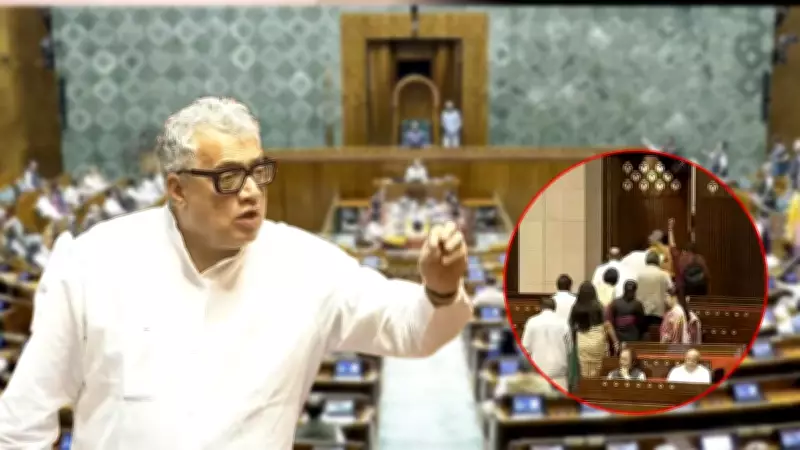
TMC Stages Walkout Over Election Commission's Move To Replace West Bengal Bureaucrats
In a dramatic political development, the Trinamool Congress staged a walkout in protest against the Election Commission of India's decision to reshuffle key bureaucrats in West Bengal. This move comes just hours after the announcement of the state's assembly poll dates, sparking immediate controversy and highlighting the intense political climate ahead of the crucial elections.
EC's Administrative Reshuffle for Poll Neutrality
The Election Commission of India has undertaken a significant administrative overhaul to ensure complete neutrality and impartiality in the upcoming West Bengal assembly elections. In a decisive action, the commission removed Chief Secretary Nandini Chakravorty and Home Secretary Jagdish Prasad Meena from all election-related duties. This strategic reshuffle is designed to eliminate any potential administrative bias and create a level playing field for all political parties contesting the polls.
The newly appointed officials include Dushyant Nariala as the Chief Secretary and Sanghamitra Ghosh as the Principal Secretary for Home and Hill Affairs. The Election Commission issued explicit directives that the transferred officers must not be assigned to any election-related responsibilities until the entire electoral process concludes, underscoring the commission's commitment to fair election management.

Assembly Election Schedule and Political Fallout
The West Bengal assembly elections are scheduled to take place in two phases on April 23 and April 29, with the crucial vote counting set for May 4. This carefully planned schedule aims to facilitate smooth voting across the state while maintaining security and order. The Election Commission's intervention in the state's bureaucracy represents a proactive measure to uphold the integrity of the democratic process.
The Trinamool Congress's walkout signals strong opposition to what the party perceives as unnecessary interference in the state's administrative machinery. This political reaction underscores the high stakes involved in the upcoming elections and the sensitivity surrounding administrative appointments during election periods. The move has ignited debates about federalism, election oversight, and the balance between central election authorities and state governments.
The Election Commission's action reflects its constitutional mandate to conduct free and fair elections, particularly in states with intense political competition like West Bengal. By replacing key bureaucrats, the commission aims to prevent any possible misuse of administrative power and ensure that all political parties operate under equal conditions during the campaign period.
Broader Implications for Election Governance
This incident highlights several important aspects of Indian electoral governance:
- The Election Commission's authority to intervene in state administration during election periods
- The ongoing tension between state governments and central election authorities
- The critical role of bureaucratic neutrality in maintaining electoral integrity
- The political sensitivity surrounding administrative appointments in election-bound states
The walkout by the Trinamool Congress members demonstrates how administrative decisions by the Election Commission can have immediate political consequences. As West Bengal prepares for its assembly elections, all eyes will be on how this bureaucratic reshuffle impacts the campaign environment and whether it achieves its intended goal of ensuring a completely impartial electoral process.