TMC Extends Culinary Welcome to Amit Shah Amidst Political Food Fight
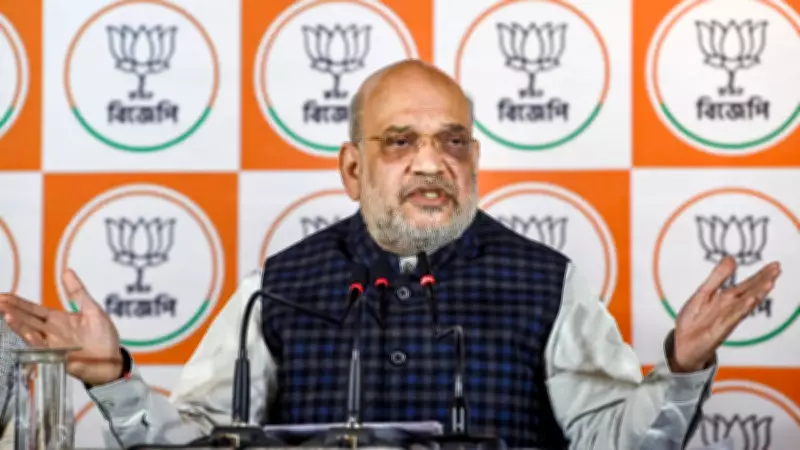
In a sharp escalation of political rhetoric, the Trinamool Congress has directly targeted Union Home Minister Amit Shah ahead of his scheduled 15-day visit to West Bengal. The party took to social media platform X to extend what it called a traditional Bengali welcome while simultaneously criticizing the Bharatiya Janata Party's perceived stance on food habits.
A Gastronomic Invitation with Political Undertones
The TMC's social media post stated: "Amit Shah has announced his decision to spend 15 days in Bengal. Good. Bengal welcomes tourists with open arms. Stay for as long as you like. And do not miss out on some of our finest delicacies." The party then specifically recommended several iconic Bengali non-vegetarian dishes including Muri Ghonto, Pabda Macher Jhal, Ilish Bhapa, Chingri Malai Curry, Bhetki Paturi, and Kosha Mangsho.
This carefully crafted message comes as part of the TMC's broader campaign strategy that positions the BJP as culturally disconnected from Bengal's traditions, particularly regarding culinary practices. The controversy originally ignited when West Bengal Chief Minister Mamata Banerjee accused the BJP of planning to restrict Bengali food habits if it comes to power in the state.

The Origins of the Controversy
The political storm began when senior TMC leaders, including Mamata Banerjee herself, criticized what they described as BJP-backed measures against non-vegetarian food consumption. Speaking at a recent rally, Banerjee referenced a government order from Bihar that regulates the open sale of meat, suggesting this represented a broader agenda.
"I came across a report about the Bihar deputy chief minister asserting that fish and meat cannot be sold in the open market. This is anti-people and condemnable," Banerjee declared. "Can everyone sell meat and fish in shopping malls? What will happen to the majority of fish and meat sellers on the road? What about their livelihood? Such politics is deplorable."
The Chief Minister further alleged: "If the BJP comes to power, they would ban meat and fish in Bengal. I saw Bihar's Deputy CM say that fish and meat can't be sold in open markets. Only those who have a licence can sell meat indoors. So, will everyone sell meat and fish in shopping malls? Only a few have the economic strength to do so. Most fish sellers sell fresh fish on the streets here. This is how they earn their bread. I condemn this politics."
BJP's Counter-Response and Clarification
West Bengal BJP president Samik Bhattacharya swiftly responded to these allegations, asserting that people in Bengal remain free to consume whatever food they choose. He clarified that the party's position specifically concerns the open sale of beef rather than a blanket restriction on all non-vegetarian foods.
"People in Bengal will eat whatever they want. Bengal will have its fish and meat," Bhattacharya stated, directly rejecting the TMC's claims about proposed bans. Regarding the Bihar directive that sparked the controversy, he explained: "The BJP had not proposed any blanket restriction. They can never utter such a thing. Why should they? No one will accept it. The TMC is twisting the comments."
Political Context and Upcoming Elections
This culinary controversy unfolds against the backdrop of crucial state elections scheduled for West Bengal's 294 assembly seats. The voting will occur in two phases:
- April 23 for 152 constituencies
- April 29 for the remaining 142 constituencies
Results are scheduled for declaration on May 4, with political analysts anticipating a fiercely contested battle between the ruling Trinamool Congress and the opposition Bharatiya Janata Party. The food politics debate has become a significant campaign issue, with both parties attempting to frame the narrative around cultural identity and economic livelihoods.

The TMC's strategy of highlighting Bengali culinary traditions represents an effort to position itself as the guardian of regional culture, while the BJP seeks to counter what it describes as misinformation about its actual policies. As Amit Shah prepares for his extended visit to the state, this gastronomic-political exchange underscores how cultural symbols have become central to electoral politics in West Bengal.