Tejashwi Yadav Explores Alliance with Owaisi and Mayawati for Rajya Sabha Bid
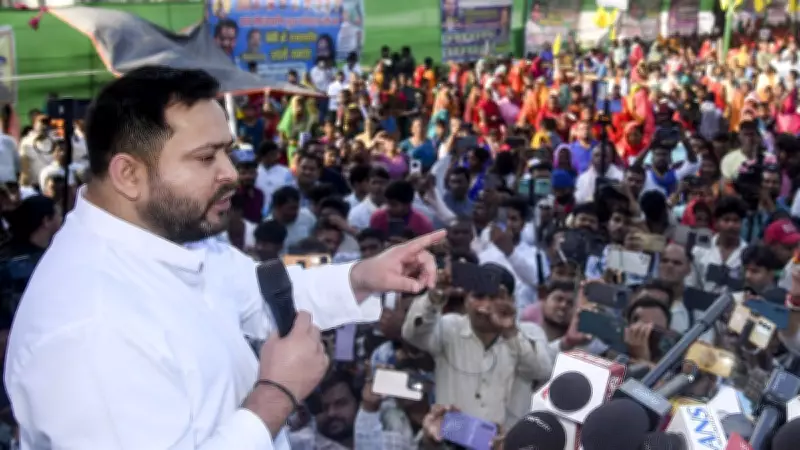
In a strategic political maneuver, Tejashwi Yadav, the prominent leader of the Rashtriya Janata Dal (RJD) in Bihar, is reportedly considering seeking assistance from Asaduddin Owaisi of the All India Majlis-e-Ittehadul Muslimeen (AIMIM) and Mayawati of the Bahujan Samaj Party (BSP) to secure a berth in the Rajya Sabha. This development highlights the intricate dynamics of coalition politics in Bihar, where alliances can be pivotal for electoral success.
Critical Support Threshold in Bihar Assembly
To win a Rajya Sabha seat from Bihar, a candidate must garner the support of at least 41 Members of the Legislative Assembly (MLAs) in the 243-member Bihar Assembly. This numerical requirement underscores the importance of cross-party collaborations and strategic partnerships in achieving parliamentary representation. The current political landscape in Bihar, characterized by a fragmented assembly with multiple parties, makes such alliances essential for any aspirant.
Tejashwi Yadav's Potential Outreach

Tejashwi Yadav, who serves as the Leader of the Opposition in the Bihar Legislative Assembly, is actively exploring avenues to consolidate support beyond his party's base. By potentially aligning with Owaisi and Mayawati, he aims to tap into their respective voter bases and legislative strength. Asaduddin Owaisi's AIMIM has a notable presence in certain regions, while Mayawati's BSP, though with limited seats, could provide crucial votes in a tightly contested scenario.
Political Implications and Calculations
This move could reshape the political equations in Bihar, as it involves key figures from different ideological backgrounds. Owaisi is known for his focus on minority rights, and Mayawati champions Dalit empowerment, making their potential support significant in a diverse state like Bihar. For Tejashwi Yadav, securing such alliances not only enhances his chances for the Rajya Sabha but also strengthens his position as a coalition builder ahead of future state elections.
Background on Rajya Sabha Elections
The Rajya Sabha, or Upper House of Parliament, plays a vital role in India's legislative process, with members elected by state assemblies. In Bihar, the election process is governed by the proportional representation system, where the number of votes required is calculated based on the total strength of the assembly. With 243 MLAs, the quota for a single seat is derived from a formula that typically necessitates around 41 votes, depending on vacancies and party positions.
Challenges and Opportunities
Tejashwi Yadav faces the challenge of navigating a complex political environment where his RJD does not have a majority on its own. However, by leveraging alliances with smaller parties and independent MLAs, he could bridge the gap. The support from Owaisi and Mayawati, if secured, would not only help meet the numerical threshold but also signal a broader coalition against the ruling National Democratic Alliance (NDA) in Bihar.
As of the latest reports, discussions are ongoing, and the final decision will depend on negotiations and the political climate closer to the election date. This development is being closely watched by political analysts, as it could influence the balance of power in both Bihar and the national parliament.