Supreme Court Raises Questions on PIL for Pasmanda Muslim Quota
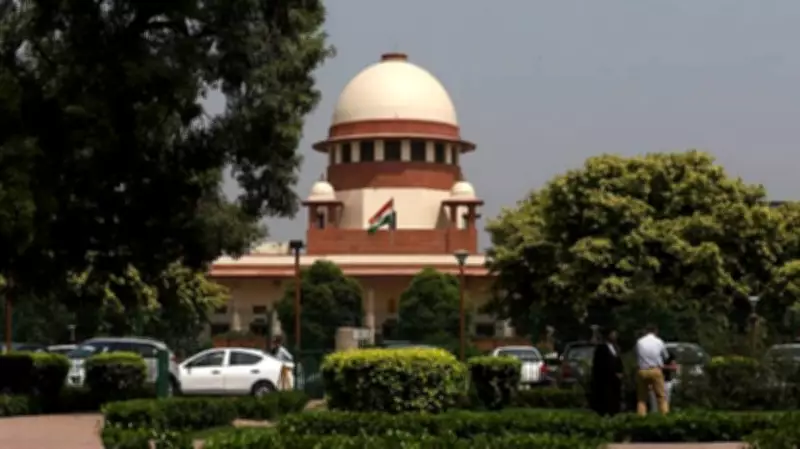
The Supreme Court of India has recently addressed a Public Interest Litigation (PIL) that seeks to establish a 10 per cent reservation for Pasmanda Muslims by sub-categorizing the Other Backward Classes (OBCs). During the proceedings, the court posed a critical question, asking, 'What about other Muslim OBCs?' This inquiry highlights the broader implications of the petition and its potential impact on the existing reservation framework.
Details of the PIL and Legal Arguments
The PIL, filed in accordance with the recommendations of the Ranganath Misra Commission report, aims to provide targeted affirmative action for Pasmanda Muslims, who are often considered among the most marginalized communities within the Muslim population in India. The petitioners argue that sub-categorization within the OBC quota is necessary to ensure equitable distribution of benefits, as Pasmanda Muslims face unique socio-economic challenges that are not adequately addressed under the current system.
In response, the Supreme Court has emphasized the need for a comprehensive review of how such a quota would affect other Muslim OBC groups. The bench noted that any decision must consider the principles of social justice and the constitutional mandate for equality, while also avoiding fragmentation of the reservation policy that could lead to further disparities.

Background on the Ranganath Misra Commission Report
The Ranganath Misra Commission, officially known as the National Commission for Religious and Linguistic Minorities, submitted its report in 2007. It recommended, among other measures, the inclusion of Muslims and Christians in the OBC category for reservation purposes, with a specific focus on sub-categorizing to address the needs of backward groups like Pasmanda Muslims. However, these recommendations have not been fully implemented, leading to ongoing legal and political debates.
The current PIL leverages this report to push for immediate action, citing the commission's findings as a basis for the proposed 10 per cent quota. Supporters of the petition assert that this move is crucial for promoting social inclusion and reducing poverty among Pasmanda Muslims, who have historically been excluded from mainstream development opportunities.
Implications and Future Proceedings
The Supreme Court's questioning signals a cautious approach, as it seeks to balance the demands for specific quotas with the need for a holistic reservation policy. Legal experts suggest that the court may call for more data and studies to assess the socio-economic status of Pasmanda Muslims compared to other OBC groups before making a ruling.
This case has sparked widespread discussion among policymakers, social activists, and the general public, with many viewing it as a test of India's commitment to inclusive growth. As the proceedings continue, stakeholders are closely monitoring the court's decisions, which could set a precedent for how reservation policies are structured in the future to address the complexities of caste and community-based disadvantages.
In summary, the Supreme Court's intervention in this PIL underscores the ongoing challenges in implementing equitable reservation policies in India. The focus on Pasmanda Muslims brings to light the nuanced issues within the OBC category, and the outcome of this case may have far-reaching consequences for social justice and constitutional governance.