Tamil Nadu Chief Minister M.K. Stalin Declines I.N.D.I.A. Bloc Leadership Role
In a significant political development, Tamil Nadu Chief Minister M.K. Stalin has addressed growing calls from various leaders urging him to take over the leadership of the I.N.D.I.A. bloc, potentially replacing Congress leader Rahul Gandhi. Stalin's response, delivered with characteristic clarity, was succinct: "I know my limits." While the Chief Minister did not elaborate further on his statement, political analysts and observers have widely interpreted this remark as a deliberate and strategic message directed at his ally, the Congress party.
A Clear Message to the Congress Ally
The interpretation suggests that Stalin intends to firmly remain anchored in state-level politics, focusing on Tamil Nadu's governance and development, rather than ascending to a national leadership position within the opposition coalition. This stance underscores his commitment to regional priorities and may reflect a calculated move to maintain autonomy and influence within the complex dynamics of the I.N.D.I.A. alliance.
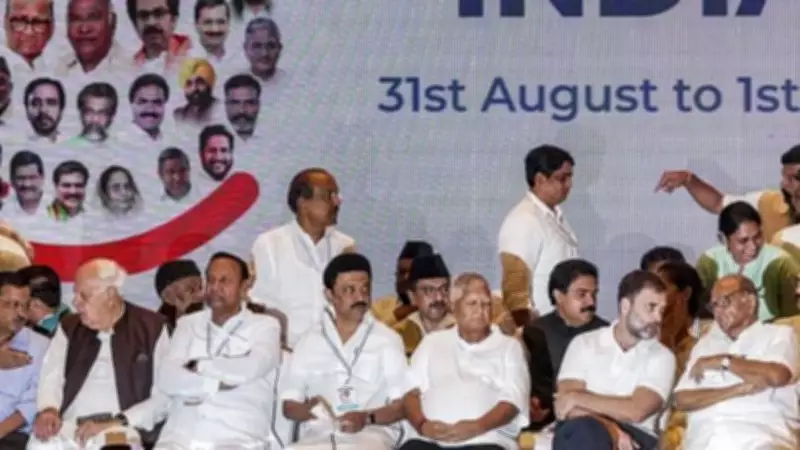
The context of this statement is crucial, as it comes amid ongoing discussions and speculations about the leadership structure and future direction of the I.N.D.I.A. bloc, which comprises various opposition parties aiming to challenge the ruling BJP-led NDA in upcoming elections. Stalin's DMK party is a key constituent of this bloc, and his position carries significant weight in shaping its strategies and unity.

Implications for the I.N.D.I.A. Bloc and National Politics
By publicly stating his limits, Stalin has effectively quelled the speculation surrounding his potential elevation to a pan-India leadership role. This move is seen as reinforcing his image as a leader dedicated to Tamil Nadu, which could bolster his support base in the state while also managing expectations within the broader opposition framework.
- It signals a preference for consolidating power and influence at the state level, where the DMK has a stronghold.
- It may alleviate any internal tensions or rivalries within the I.N.D.I.A. bloc regarding leadership hierarchies.
- It reaffirms the Congress party's continued role in the alliance, with Rahul Gandhi likely remaining a central figure, albeit with ongoing debates about his effectiveness.
This development highlights the intricate balance regional leaders must strike between local commitments and national ambitions in India's federal political landscape. As the political scenario evolves, Stalin's stance will undoubtedly influence the cohesion and electoral prospects of the opposition coalition, making it a pivotal moment in contemporary Indian politics.