Ladakh Activist Sonam Wangchuk Breaks Silence After NSA Detention Release
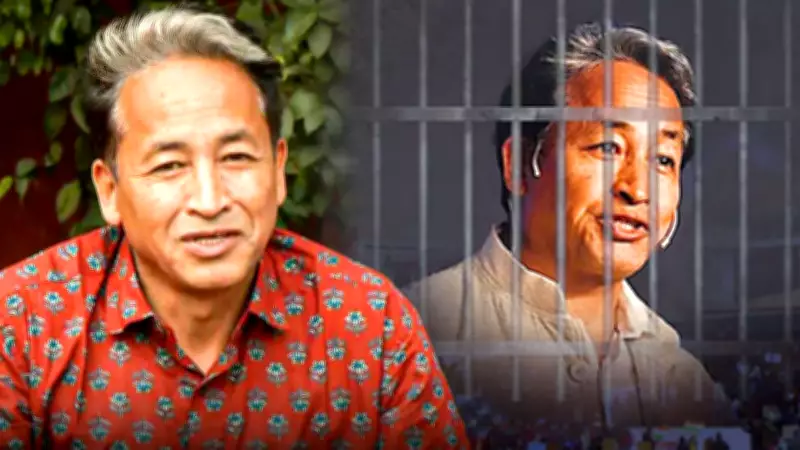
Prominent Ladakh activist Sonam Wangchuk has spoken publicly for the first time since his release from detention under the National Security Act, expressing cautious optimism about renewed engagement with authorities regarding the region's future.
'Huge Horror Story' Behind, Focus on Constructive Dialogue
In what he described as moving past a 'huge horror story' of detention, Wangchuk emphasized that the fundamental objective of his movement has consistently been to initiate meaningful and productive dialogue concerning Ladakh's development trajectory. He stressed that this dialogue must address the region's unique environmental, cultural, and governance needs.
Government Outreach Seen as Positive Signal
Wangchuk characterized recent government outreach efforts as a positive signal that could potentially lead to balanced outcomes benefiting multiple stakeholders. 'Such discussions, if conducted in good faith, can create pathways for solutions that respect Ladakh's environment, empower its people, and improve governance structures,' he stated during his remarks.

Collective Progress Over Individual Victory
The activist reiterated his long-standing philosophy that true success should be measured by collective progress rather than individual or political victories. This principle, he explained, underpins his approach to advocacy and negotiation, focusing on sustainable benefits for the entire Ladakh region and its inhabitants.
Trust and Continuous Dialogue as Foundation
Wangchuk placed significant emphasis on the importance of building trust and cooperation between community representatives and governing authorities. He noted that continuous, transparent dialogue serves as the essential foundation for developing sustainable solutions to Ladakh's challenges.
'Only through ongoing conversation can we ensure that the voices of Ladakh's people are genuinely heard, respected, and integrated into decision-making processes that affect their lives and homeland,' Wangchuk emphasized, outlining his vision for participatory governance.
Path Forward for Ladakh's Development
Looking ahead, Wangchuk expressed hope that the current moment could mark a turning point in how Ladakh's concerns are addressed at the policy level. He called for dialogue mechanisms that are inclusive, representative, and focused on long-term ecological and social sustainability for the Himalayan region.