The Samyukt Kisan Morcha (SKM), a prominent coalition of farmers' unions, has called for a nationwide day of protest on January 16. The action is directed against the newly enacted VB-G RAM G scheme, a law that formally replaces the long-standing Mahatma Gandhi National Rural Employment Guarantee Act (MGNREGA) of 2005.
Midnight Passage Sparks Outrage
The controversial legislation was passed by the Indian Parliament in the early hours of Thursday, December 22, 2025. The vote occurred post-midnight, a move that was met with vocal and visible protests from opposition members within the house. The swift passage, amid the dissent, has become a focal point of criticism from farmer groups and political opponents alike.
What is the VB-G RAM G Act?
The VB-G RAM G Act marks a significant shift in India's rural employment and welfare policy. It supersedes the MGNREGA, which for nearly two decades guaranteed 100 days of wage employment per financial year to every rural household. While the full details and implications of the new scheme are still being analyzed by experts, its enactment without broader consensus has triggered immediate backlash from the farming community, which was a core beneficiary of the old law.

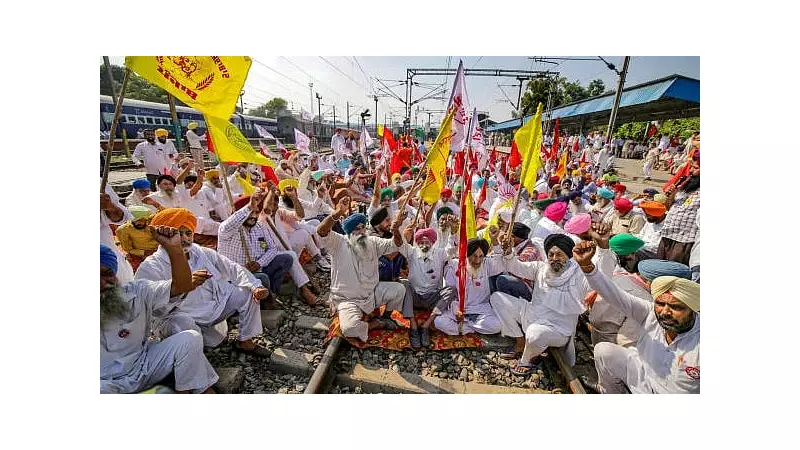
The SKM, which led the historic year-long farmers' protest in 2020-2021, has now mobilized its network once again. The announcement of the all-India protest on January 16 signals the beginning of a new phase of agitation. The Morcha has stated that the protest will take various forms across states, including demonstrations, rallies, and public meetings, to voice strong opposition to the new legal framework.
Political and Social Repercussions
The move sets the stage for a major confrontation in the new year. The government's decision to replace a flagship social security scheme has opened a fresh front of political debate. Opposition parties, who protested the bill's passage, are likely to align with the SKM's movement, amplifying the challenge to the administration.
For millions of rural workers, the change raises urgent questions about job security, wage rates, and the implementation mechanism of the new scheme. The January 16 protest is poised to be a critical barometer of public sentiment and the intensity of resistance against the VB-G RAM G law. The outcome of this mobilization could influence future policy rollouts and define the political discourse as the country moves forward.