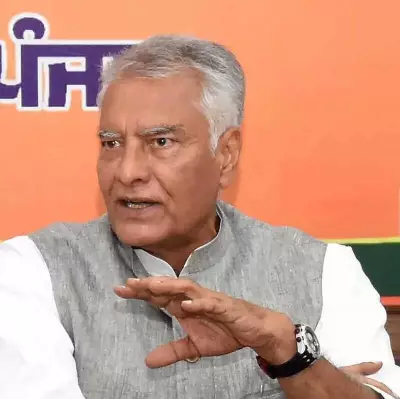
Sikar MP Amraram Calls for Delhi March on March 24, Criticizes Government Policies
In a significant political development, Sikar MP Amraram has called upon the public to march to Delhi on March 24. This announcement was made during a public meeting held at the Ramlila Maidan in Neem ka Thana on Friday. The event saw the arrival of the CPI(M)'s Jansangarsh Jattha, which is currently engaged in a statewide mobilization effort.
Mobilization Against Central Government Policies
Addressing the gathering, Amraram emphasized that the Jansangarsh Jattha is being organized to mobilize people against the policies of the Central government. He alleged that the Centre is framing policies that are against the interests of farmers and laborers. The march was warmly welcomed by CPI(M) workers and supporters as it passed through the region, highlighting strong local support for the cause.
Amraram criticized several key measures, including:

- The Electricity Act
- The Seed Bill
- Certain international trade agreements
He claimed that these policies would adversely affect farmers and small industries, exacerbating economic hardships in rural and industrial sectors.
Key Demands for the Jan Aakrosh Rally
The Jan Aakrosh Rally planned in Delhi on March 24 is set to raise a series of critical issues. Amraram outlined the following demands:
- Withdrawal of the four labour codes
- Restoration of labour laws
- Scrapping of the Electricity Bill 2025
- Stopping the privatisation of electricity and installation of smart meters
- Cancellation of the trade deal with the US
These demands reflect broader concerns about labor rights, agricultural sustainability, and economic sovereignty.
Criticism of State Government Actions
In addition to targeting the Central government, Amraram also criticized the state government over the abolition of the Neem ka Thana district and Sikar division. He described this move as an injustice to the region and warned that people would respond to it in the upcoming panchayat elections. This criticism underscores the local political tensions and the potential electoral repercussions of administrative decisions.
The public meeting and the call for the Delhi march signify a growing mobilization against perceived anti-people policies, with Amraram positioning himself as a vocal advocate for farmers, laborers, and regional interests.