Karnataka Chief Minister Stands with Tamil Nadu on Union-State Relations
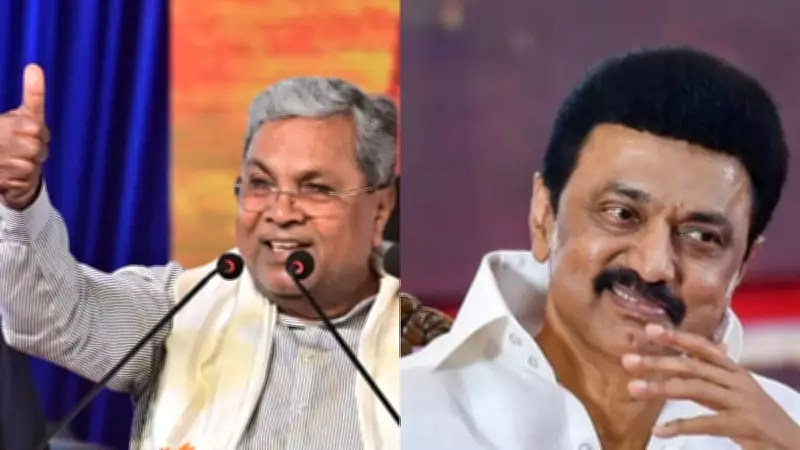
In a significant political development, Karnataka Chief Minister Siddaramaiah has publicly declared his support for Tamil Nadu Chief Minister M K Stalin in advancing Union-State relations. This move highlights growing concerns among states regarding fiscal federalism and the balance of authority and responsibility within India's federal structure.
Shared Concerns Over Fiscal Federalism
Siddaramaiah noted that Karnataka shares many of the concerns articulated in recent committee reports, which have been a focal point in discussions between the two states. He emphasized that the state has consistently advocated for fiscal federalism to align authority with responsibility, ensuring that states have adequate resources and autonomy to address local needs effectively.
The Chief Minister stressed that this alignment is crucial for equitable development and governance across India. By backing Stalin, Siddaramaiah aims to strengthen the collective voice of states in negotiations with the central government, particularly on issues of financial devolution and policy implementation.

Implications for Indian Politics
This solidarity between Karnataka and Tamil Nadu, both ruled by opposition parties, could signal a broader coalition among states seeking greater decentralization. It underscores the ongoing debates in Indian politics over Centre-state dynamics, with leaders like Siddaramaiah and Stalin pushing for reforms that enhance state powers.
The timing of this announcement, as India navigates complex political landscapes, adds weight to the call for revisiting federal principles. Observers suggest that such collaborations may influence future policy discussions and electoral strategies, especially in southern India where regional issues often take center stage.
- Karnataka and Tamil Nadu unite on fiscal federalism concerns.
- Siddaramaiah advocates for authority-responsibility alignment in governance.
- This support may bolster opposition efforts in Centre-state negotiations.
As the dialogue progresses, stakeholders will be watching closely to see how this partnership impacts national policies and inter-state relations in the coming months.