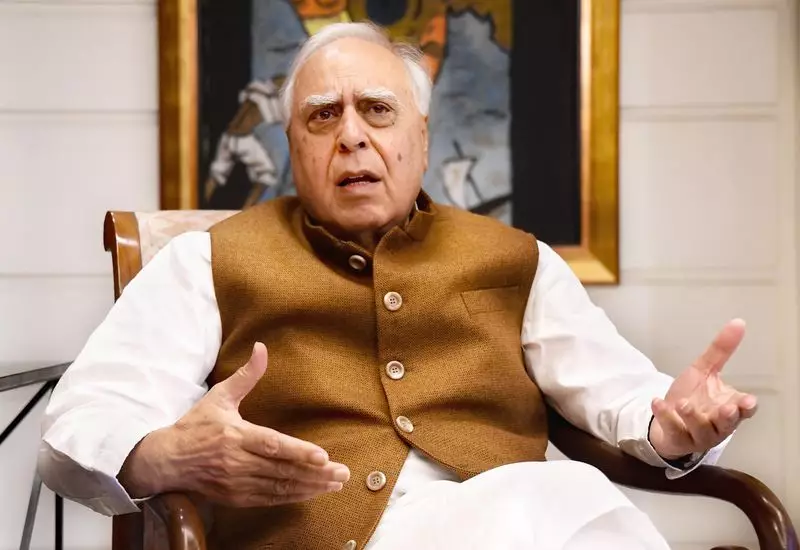
Senior advocate and Rajya Sabha member Kapil Sibal has issued a direct challenge to Union Home Minister Amit Shah, urging him to break his silence and publicly condemn the recent brutal killing of a student in Tripura. This incident has ignited fresh concerns over hate crimes and the political rhetoric surrounding them in the country.
A Tragic Incident in Tripura
The controversy stems from the tragic death of a young student, whose life was cut short in a violent attack in Tripura. While specific details of the victim's identity were withheld in the initial reports, the nature of the crime has sent shockwaves through the community and drawn national attention. The incident is being widely viewed through the lens of communal violence and targeted hate, placing it at the center of a heated political debate.
In his pointed appeal, Sibal highlighted what he perceives as a disturbing pattern of silence from top government officials when such crimes occur. He specifically called upon Home Minister Amit Shah to take a definitive stand. Sibal's demand is not just for a generic statement of condolence but for a clear, unambiguous condemnation of the hate-driven motives believed to be behind the attack.

The Political Challenge and Demand for Accountability
Kapil Sibal's move is a direct political challenge, questioning the government's commitment to curbing hate speech and violence. He framed his appeal around the principle of accountability, suggesting that leadership requires speaking out against injustice regardless of political or communal considerations. By naming Shah, Sibal places the onus squarely on the highest office responsible for the nation's internal security to address the climate of fear.
The Rajya Sabha MP's statement implies a connection between inflammatory rhetoric and real-world violence. His call to action suggests that without a strong, unequivocal denouncement from the highest levels of government, such incidents risk being normalized or tacitly ignored. This, he argues, undermines the rule of law and the constitutional promise of safety for all citizens.
Broader Implications for Law and Order
This incident in Tripura and the subsequent political exchange raise critical questions about law and order and communal harmony in India. It brings to the forefront the ongoing debate about:
- The responsiveness of state machinery to hate crimes.
- The role of central leadership in setting a national tone against violence.
- The impact of political speech on social cohesion.
As of now, there has been no public response from Home Minister Amit Shah or the Ministry of Home Affairs to Sibal's specific demand. The silence itself is being interpreted in various ways, adding another layer to the controversy. The demand from the senior parliamentarian puts a spotlight on the urgent need for a cohesive national stance against hate-driven violence, transcending political lines.
The outcome of this appeal remains to be seen. However, it has successfully amplified a critical conversation about justice, security, and the moral responsibility of India's leaders in confronting crimes that threaten the nation's social fabric. The nation watches to see if this tragic event will prompt a definitive statement from the government's top security official.