Kapil Sibal Questions BJP's Electoral Independence, Alleges EC Bias
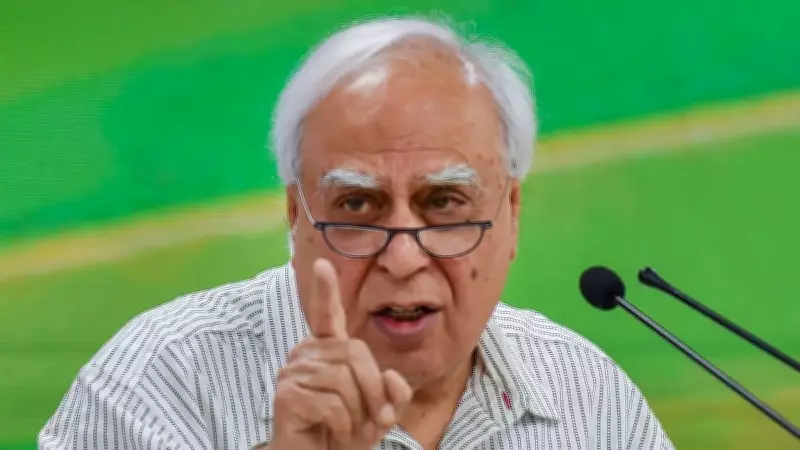
Senior politician and former Union Minister Kapil Sibal has launched a sharp critique against the Bharatiya Janata Party (BJP), asserting that the party's claims of being atmanirbhar (self-reliant) in elections are only valid when the Election Commission of India (ECI) is perceived to be supporting it. Sibal's remarks, made on April 4, 2026, highlight growing concerns about electoral integrity and institutional neutrality in Indian politics.
Allegations of Dual Voter Registrations Surface
To substantiate his claims, Sibal cited specific examples of alleged electoral irregularities. He pointed to five voters who were reportedly registered in both West Bengal and Bihar, suggesting that such instances undermine the fairness of the electoral process. This revelation has sparked debates about voter list management and the potential for manipulation in key states. Sibal used these cases to take a direct swipe at the BJP, implying that the party benefits from such discrepancies, which he linked to the Election Commission's oversight.
Context and Political Implications
The timing of Sibal's comments is significant, as they come amid ongoing political tensions and preparations for future elections. By questioning the BJP's self-reliance, Sibal aims to challenge the party's narrative of strength and independence. His allegations raise critical questions about the role of constitutional bodies in ensuring free and fair polls. The reference to West Bengal and Bihar is particularly noteworthy, as these states have been battlegrounds in recent elections, with the BJP making significant inroads.

Political analysts suggest that Sibal's statements could fuel further scrutiny of the Election Commission's operations. Issues such as voter registration, electoral rolls, and the enforcement of model code of conduct are now under the spotlight. The BJP has yet to issue an official response, but the allegations are expected to intensify political discourse in the coming days.
Broader Concerns About Electoral Integrity
Beyond the specific cases mentioned, Sibal's critique touches on broader themes of democracy and governance. He emphasized the need for transparent and impartial electoral mechanisms to uphold the democratic fabric of India. This incident underscores the importance of robust checks and balances in the electoral system. As political parties gear up for upcoming polls, ensuring the credibility of the Election Commission remains a paramount concern for all stakeholders.
In summary, Kapil Sibal's allegations have ignited a fresh controversy in Indian politics, with implications for electoral reforms and institutional trust. The focus on dual voter registrations serves as a catalyst for discussions on how to strengthen India's democratic processes and maintain public confidence in its electoral outcomes.