Archaeological excavations at Karivalamvanthanallur in Tamil Nadu have uncovered evidence of continuous human occupation from the Microlithic period through the Iron Age to the Early Historic period, bypassing the Neolithic or Chalcolithic phases. The site, located in the Thoothukudi district, has yielded a wealth of artefacts and structures that shed light on ancient Tamil civilisation.
Industrial Hub of Antiquity
The site functioned both as a habitation zone and an industrial centre, producing hopscotch pieces, glass beads, and iron objects. This mirrors findings at the renowned Keeladi site, indicating that Karivalamvanthanallur was part of a network of early industrial settlements. According to the Tamil Nadu State Department of Archaeology, the site's industrial activities highlight the advanced technological capabilities of its ancient inhabitants.
Advanced Water Management
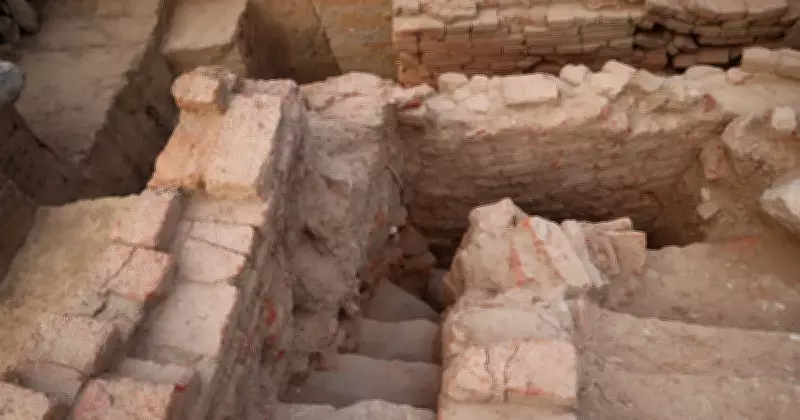
One of the most striking discoveries is a large brick structure measuring 8.7 by 4.2 metres, believed to be either a rainwater harvesting tank or a granary. This structure demonstrates sophisticated engineering and water management skills. The bricks were meticulously laid, suggesting a high degree of planning and communal effort. Archaeologists noted that such features are rare for the period and underscore the settlement's importance.

Rich Cultural Artefacts
Finds include terracotta figurines, pottery with graffiti marks, burial urns painted with peacock motifs, and high-tin bronze objects in burials. These artefacts indicate vibrant cultural and trade practices. The peacock-painted urns, in particular, suggest symbolic or ritual significance. The presence of high-tin bronze points to long-distance trade networks, as tin is not locally sourced.
Historical Significance
The site aligns with other major Tamil Nadu sites such as Keeladi, Sivagalai, and Adichanallur, offering insights into early Tamil civilisation and iron technology. The earliest known date for smelted iron in India is 3345 BCE, and Karivalamvanthanallur contributes to this timeline. The continuous occupation from the Microlithic period indicates that the region was a cradle of human activity for millennia.
Excavation Details
Eighteen trenches were excavated at the site, revealing a stratigraphic sequence that confirms uninterrupted settlement. The absence of Neolithic or Chalcolithic layers suggests a unique cultural trajectory. The Department of Archaeology stated: "Karivalamvanthanallur provides crucial evidence of early urbanisation and industrialisation in Tamil Nadu." The findings are expected to reshape understanding of the region's prehistory.