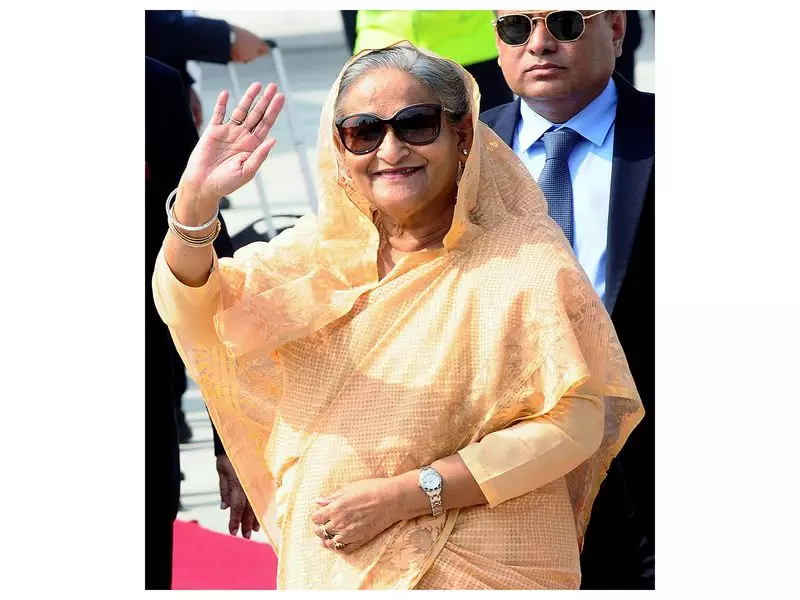
In a powerful and wide-ranging address, Bangladesh Prime Minister Sheikh Hasina issued a stark warning about the state of her nation, highlighting a dangerous trend of violence and the ineffectiveness of interim governments. Speaking at a program in Dhaka, Hasina pointed a finger at rising religious extremism and delivered sharp criticism towards Nobel laureate Muhammad Yunus.
A Nation Where Violence Has Become the Norm
Prime Minister Hasina painted a concerning picture of the political landscape in Bangladesh, particularly during periods of caretaker or interim governance. She asserted that these transitional governments have historically proven to be utterly powerless in maintaining law and order. According to her analysis, this vacuum of authority has allowed violence to become a normalized part of the political process.
"Violence has become a norm in the country," Hasina stated emphatically. She linked this instability directly to the systems put in place by past military rulers, suggesting that the framework itself is designed to create chaos and hinder democratic continuity. Her comments underscore a long-standing political battle in Bangladesh between her Awami League and the Bangladesh Nationalist Party (BNP), which has often demanded interim governments during elections.

Direct Criticism of Muhammad Yunus and Warning on Extremism
One of the most pointed segments of Hasina's speech was directed at Dr. Muhammad Yunus, the microfinance pioneer and Nobel Peace Prize winner. Hasina accused Yunus of attempting to wield undue influence over Bangladesh's governance and international relations. She specifically mentioned that Yunus had written to the United Nations, urging them not to send observers for the national elections, a move she interpreted as undermining the democratic process.
Beyond the political fray, the Prime Minister raised a grave alarm about a more insidious threat: religious extremism. She warned that certain groups are actively working to transform Bangladesh from its secular, liberal roots into a state governed by rigid religious dogma. "They want to turn the country into one of religious extremism. We don't want that," Hasina declared. This statement is a clear reference to the growing influence of hardline Islamist groups in the country, which her government has often cracked down upon.
The Call for Stability and Democratic Resilience
The core message from the Prime Minister was a call for stability and a rejection of systems that breed chaos. By highlighting the failures of interim governments, she made a case for the current constitutional structure that allows elected governments to complete their terms and oversee elections. Her speech was as much about defending her government's record on security and development as it was about critiquing her opponents.
Hasina positioned herself and her party as the bulwark against both political violence and religious extremism. The criticism of Yunus serves to discredit a prominent international figure who is often seen as an alternative moral voice on the global stage. This address, therefore, functions as a multi-front defense, tackling political, security, and ideological challenges simultaneously.
The implications are significant for Bangladesh's future. The Prime Minister's unequivocal stance suggests that her government will continue its firm approach against opposition parties demanding caretaker governments and against extremist elements. It also signals that figures like Muhammad Yunus will face continued political pressure and criticism from the state apparatus. For the people of Bangladesh, the speech reinforces the government's narrative that it alone stands between order and a descent into violent chaos and radicalism.