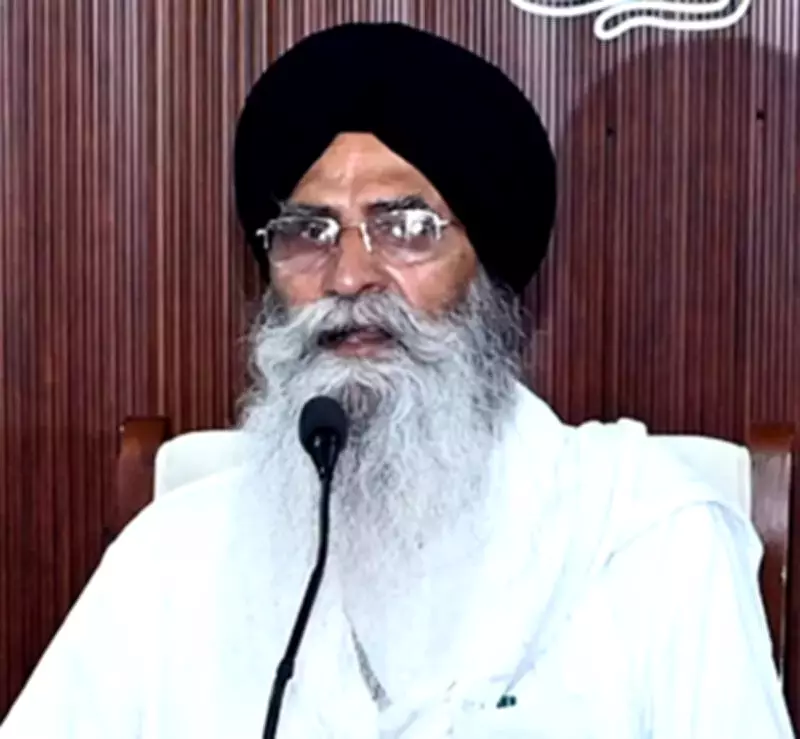
SGPC President Condemns Incident Involving Sikh Candidate in Madhya Pradesh Exam
Amritsar: Shiromani Gurdwara Parbandhak Committee (SGPC) President Harjinder Singh Dhami has strongly objected to a recent incident in Ratlam, Madhya Pradesh, where an amritdhari Sikh girl candidate was reportedly asked to remove her turban and kirpan during a Public Service Commission examination. The incident, which occurred on Monday, has sparked widespread concern and calls for immediate action to protect Sikh religious practices.
Dhami Expresses Deep Pain Over Questioning of Sikh Articles of Faith
In a formal release issued by the SGPC, Dhami emphasized that people across the country are well aware of Sikh religious principles and traditions, and there should be no ignorance regarding the Sikh articles of faith, known as the kakaars. He stated, "Despite this widespread awareness, raising questions about the kakaars is deeply painful and unacceptable." Dhami highlighted that such incidents not only disrespect individual religious freedoms but also undermine the cultural fabric of India, which prides itself on diversity and tolerance.
Demand for Central Government Intervention
Harjinder Singh Dhami has called upon the Central Government to issue clear and stringent instructions to all state governments. He demanded that these directives ensure full respect for Sikh kakaars and other religious symbols during any examination process. Additionally, Dhami urged authorities to take strict and immediate action against anyone who violates these guidelines, to prevent similar occurrences in the future. This move aims to safeguard the constitutional rights of Sikhs and promote inclusivity in administrative procedures.

Broader Implications for Religious Freedom in India
This incident has reignited discussions about religious freedom and the protection of minority rights in India. The SGPC's stance underscores the need for continuous education and sensitization among examination authorities regarding diverse religious practices. By addressing such issues proactively, the government can reinforce its commitment to secularism and equality, ensuring that all citizens, regardless of faith, can participate in public services without facing discrimination or disrespect.