

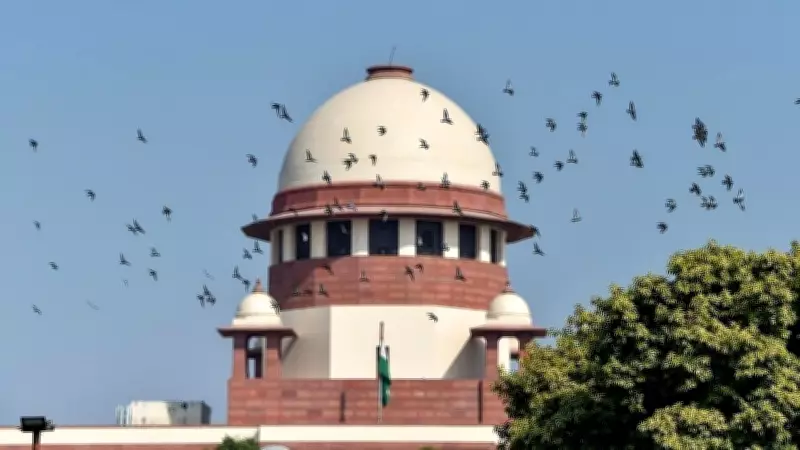
Supreme Court Takes Up PIL Challenging Election Freebies Promised by Political Parties
The Supreme Court of India has agreed to hear a Public Interest Litigation (PIL) that challenges the widespread practice of political parties making extravagant promises of freebies to voters during election campaigns. This development comes amid growing concerns about the financial sustainability and ethical implications of such electoral pledges.
"Everything Except Sun and Moon" Promised to Voters
During the hearing, the petitioner's lawyer made a striking observation about the nature of these promises. "Except the sun and moon, everything is promised by political parties to voters during elections, and this amounts to corrupt practice," the lawyer argued before the bench. This vivid metaphor underscores the perception that election freebies have escalated to unreasonable levels, potentially influencing voter decisions through material inducements rather than policy debates.
Legal Challenge Against Electoral Promises
The PIL specifically targets what it describes as "corrupt practices" under election laws, arguing that promises of free goods and services—ranging from cash transfers and loan waivers to free electricity and appliances—cross legal boundaries. The petition contends that such promises:

- Distort the democratic process by prioritizing short-term benefits over long-term governance
- Place unsustainable financial burdens on state exchequers
- Create an uneven playing field where parties with greater resources can make more extravagant promises
- Potentially violate constitutional principles of free and fair elections
Broader Implications for Indian Democracy
This legal intervention comes at a critical juncture in Indian politics, where election freebies have become increasingly central to campaign strategies across party lines. The Supreme Court's decision to hear the PIL reflects judicial concern about the integrity of electoral processes and the need to balance populist measures with fiscal responsibility.
Legal experts suggest this case could establish important precedents regarding:
- The legal definition of corrupt practices in election campaigning
- Constitutional limits on what political parties can promise voters
- The judiciary's role in regulating electoral conduct without infringing on legislative domain
- Mechanisms for ensuring transparency in the costing and implementation of election promises
Context and Timing of the Petition
The PIL was filed as political parties across India intensify their preparations for upcoming elections at various levels. The timing suggests growing public and judicial scrutiny of electioneering tactics that rely heavily on promise-making rather than substantive policy discussions. The Supreme Court's willingness to examine this issue indicates that the judiciary recognizes the systemic implications of unchecked freebie culture in elections.
As the case progresses, it will likely spark broader debates about electoral reforms, fiscal federalism, and the ethical dimensions of political campaigning in the world's largest democracy.






