

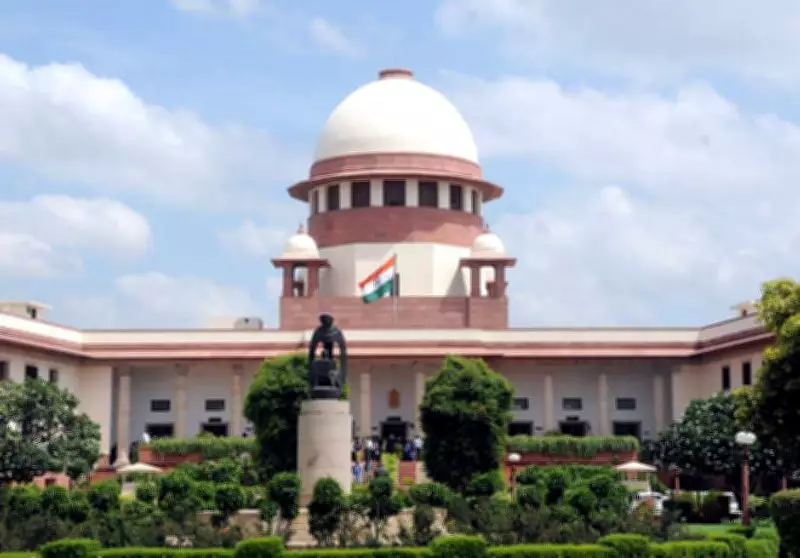
The Supreme Court of India has taken a significant step by agreeing to hear a Public Interest Litigation (PIL) that challenges the widespread practice of political parties making promises of freebies during election campaigns. This development comes amid growing concerns about the impact of such promises on the country's fiscal health and the democratic process.
Judicial Scrutiny on Election Promises
The PIL, filed by a concerned citizen or group, argues that the offering of freebies—such as cash transfers, subsidies, or other benefits—by political parties to voters constitutes an unfair influence on the electoral process. It raises questions about whether these promises violate the principles of free and fair elections, as enshrined in the Constitution of India.
Fiscal Implications and Economic Concerns
One of the core issues highlighted in the PIL is the potential fiscal burden that freebies can impose on state and national economies. Critics argue that such promises, often made without a clear funding plan, can lead to unsustainable debt and divert resources from essential public services like healthcare, education, and infrastructure development.

The Supreme Court's decision to hear this case reflects a broader judicial interest in ensuring that election practices align with constitutional mandates and economic prudence. Previously, the court has addressed similar matters, emphasizing the need for transparency and accountability in political funding and campaign promises.
Arguments from Both Sides
Proponents of freebies argue that they are a legitimate tool for social welfare, helping to address poverty and inequality by providing direct benefits to marginalized communities. They contend that in a democracy, political parties have the right to propose policies that resonate with voters, and freebies can be part of a broader development agenda.
However, opponents, including the petitioners in this PIL, counter that such practices can distort voter choice by prioritizing short-term gains over long-term governance. They warn that an overreliance on freebies might undermine the integrity of elections and lead to populist policies that are economically detrimental in the long run.
Potential Outcomes and Legal Precedents
The Supreme Court's hearing of this PIL could set important legal precedents regarding the regulation of election promises in India. Possible outcomes might include guidelines for political parties on disclosing the financial implications of their promises or even restrictions on certain types of freebies deemed excessive or misleading.
This case also ties into ongoing debates about electoral reforms in India, where issues like campaign finance and voter bribery have been subjects of judicial and legislative scrutiny. The court's ruling could influence future election laws and the conduct of political parties during campaigns.
Broader Impact on Indian Democracy
Beyond the legal aspects, this PIL touches on fundamental questions about the nature of democracy in India. It challenges whether the promise of freebies enhances or undermines voter autonomy and whether the state should intervene to protect the electoral process from potential manipulation.
As the Supreme Court prepares to hear arguments, stakeholders from across the political spectrum, economists, and civil society groups are likely to weigh in on this contentious issue. The outcome could have far-reaching implications for how elections are contested in India, potentially reshaping campaign strategies and voter expectations.
In summary, the Supreme Court's agreement to hear this PIL marks a pivotal moment in the ongoing discourse about election ethics and fiscal responsibility in India. It underscores the judiciary's role in safeguarding democratic principles while balancing economic realities.






