Supreme Court Takes Up PIL Challenging Election Freebies Promised by Political Parties
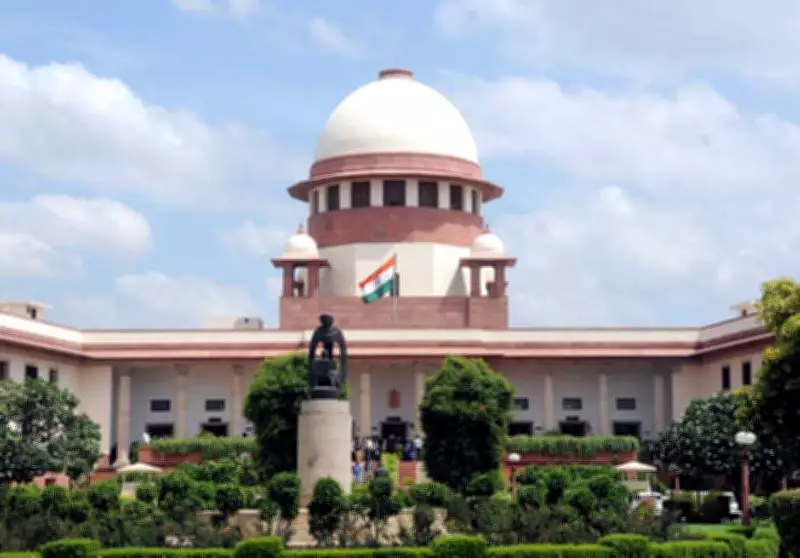
The Supreme Court of India has agreed to hear a significant Public Interest Litigation that challenges the widespread practice of political parties making promises of freebies during election campaigns. This judicial intervention comes amid growing concerns about the economic implications and ethical dimensions of such electoral pledges.
Judicial Scrutiny of Electoral Promises
The PIL, which has been filed by a concerned citizen, argues that the promise of free goods and services by political parties constitutes an undue influence on voters and may compromise the integrity of the democratic process. The petitioner contends that these promises often lack a clear funding mechanism, potentially leading to fiscal irresponsibility and burdening the state exchequer.
The Supreme Court bench, acknowledging the importance of the issue, has scheduled a hearing to examine the legal and constitutional validity of such election freebies. This move is seen as a critical step towards establishing guidelines or regulations that could govern the nature and scope of promises made by political entities during elections.

Broader Implications for Indian Democracy
The case raises fundamental questions about the balance between populist measures and fiscal prudence in a democratic setup. Proponents of the PIL argue that unchecked freebie promises can distort electoral outcomes by swaying voters with short-term benefits, rather than encouraging informed decision-making based on long-term governance plans.
On the other hand, some political analysts suggest that welfare promises are an integral part of political manifestos and reflect the parties' commitment to addressing social and economic inequalities. However, the PIL emphasizes the need for transparency and accountability in how these promises are formulated and financed.
The Supreme Court's decision to hear this PIL is expected to spark a nationwide debate on the following key aspects:
- The constitutional limits on election promises and their impact on voter autonomy.
- The potential for freebies to undermine fiscal discipline and sustainable economic policies.
- The role of the Election Commission in monitoring and regulating such promises.
- Comparative practices in other democracies and their relevance to the Indian context.
Potential Outcomes and Future Directions
As the case progresses, legal experts anticipate that the Supreme Court may consider issuing directives to ensure that political parties provide detailed cost estimates and funding sources for their promised freebies. This could involve mandating greater disclosure in election manifestos or establishing an independent body to assess the feasibility of such promises.
The hearing is likely to involve submissions from various stakeholders, including political parties, civil society organizations, and economic experts. The outcome could set a precedent for how election campaigns are conducted in India, potentially leading to reforms that promote more responsible and issue-based politics.
In summary, the Supreme Court's agreement to hear this PIL marks a pivotal moment in Indian electoral jurisprudence. It underscores the judiciary's role in safeguarding democratic principles and ensuring that political competition does not come at the cost of economic stability or ethical governance.