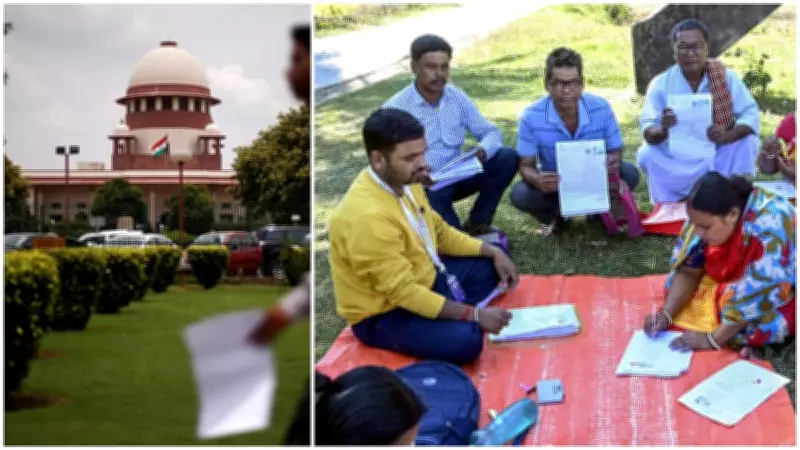
The Supreme Court of India has issued a significant directive to the Election Commission of India, mandating the public display of lists containing logical discrepancies in voter rolls at the local level during the Special Intensive Revision process in Tamil Nadu. This move aims to enhance transparency and public scrutiny in the electoral roll revision exercise, which is crucial for maintaining the integrity of democratic processes.
Court's Directive on Tamil Nadu's Electoral Roll Revision
In a detailed order, the Supreme Court emphasized the importance of making discrepancy lists accessible to voters at the grassroots level. The court stated that such transparency is essential to ensure that citizens can verify and raise objections to any inaccuracies in the electoral rolls. This directive comes as part of the ongoing Special Intensive Revision in Tamil Nadu, which is designed to clean up and update voter lists ahead of upcoming elections.
Background and Rationale
The Supreme Court's intervention follows concerns raised about potential errors and inconsistencies in voter registration data. By requiring the Election Commission to display these lists locally, the court seeks to empower voters to participate actively in the correction process. This step is expected to reduce the likelihood of electoral fraud and improve the accuracy of voter databases, thereby strengthening democratic governance in the state.

Related Development: Verdict Reserved on Bihar Petitions
In a related development, the Supreme Court has reserved its verdict on a batch of petitions challenging the Special Intensive Revision of electoral rolls in Bihar. Among these petitions is one filed by the NGO Association for Democratic Reforms, which has raised similar concerns about transparency and accuracy in voter list revisions.
Implications for Electoral Processes
The court's actions in both Tamil Nadu and Bihar highlight a growing judicial focus on ensuring fair and transparent electoral practices across India. By addressing issues in voter roll revisions, the Supreme Court is reinforcing the foundational principles of free and fair elections. These developments are particularly relevant as India prepares for future electoral cycles, where accurate voter lists are paramount.
Legal experts suggest that the Supreme Court's directives could set a precedent for other states undergoing similar electoral roll revisions. The emphasis on local-level display of discrepancy lists may become a standard practice, promoting greater accountability and public trust in the electoral system.
As the Supreme Court continues to deliberate on the Bihar petitions, stakeholders are closely watching for the final verdict, which could further shape electoral reforms in the country. The outcomes of these cases are likely to influence how election authorities conduct voter list revisions nationwide, ensuring they align with democratic ideals and legal standards.