Supreme Court Mandates Transparency in Electoral Rolls
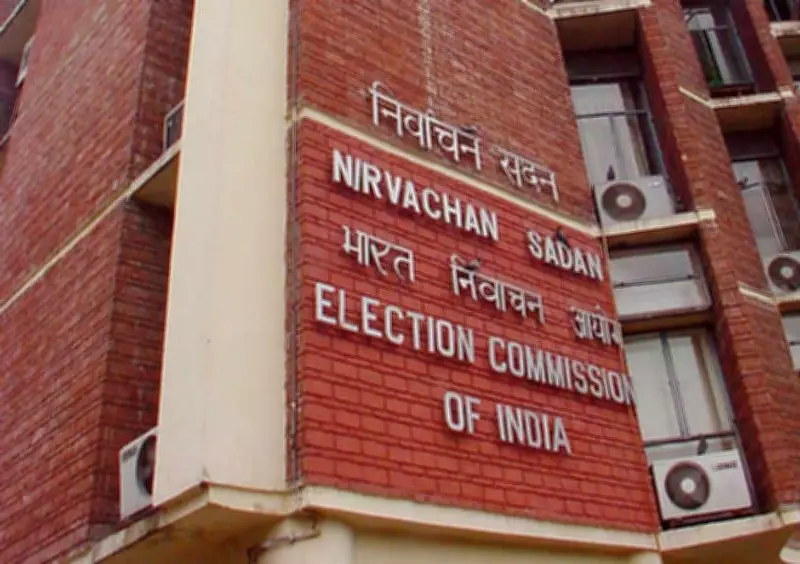
In a significant move to enhance the integrity of India's electoral process, the Supreme Court has issued a directive to the Election Commission of India (ECI). The apex court has instructed the ECI to publicly display the names of individuals on electoral rolls where logical discrepancies are identified. This decision aims to address concerns over potential errors or inconsistencies in voter registration data, which could impact the fairness of elections.
Background and Context of the Directive
The Supreme Court's order comes amidst ongoing efforts to ensure that electoral rolls are accurate and free from anomalies. Logical discrepancies refer to inconsistencies in voter information, such as mismatches in age, address, or other personal details that could indicate errors or fraudulent entries. By requiring the ECI to display these names publicly, the court seeks to promote transparency and allow citizens to verify and correct any inaccuracies in the voter lists.
Implications for the Election Commission
The Election Commission is now tasked with implementing this directive across all states and union territories. This involves updating their systems to flag and display names with logical discrepancies on official platforms, such as the National Voters' Service Portal. The ECI will need to establish clear guidelines for identifying and handling such discrepancies, ensuring that the process is systematic and accessible to the public.

Key aspects of the implementation include:
- Developing a standardized framework for detecting logical discrepancies in electoral rolls.
- Creating a public interface where affected names are listed for verification.
- Providing mechanisms for citizens to report errors or seek corrections.
- Ensuring data privacy and security while maintaining transparency.
Impact on Voter Registration and Electoral Integrity
This directive is expected to have a profound impact on voter registration processes in India. By making discrepancies visible, it empowers citizens to actively participate in maintaining the accuracy of electoral rolls. This could lead to a reduction in duplicate entries, incorrect details, and potential voter fraud, thereby strengthening the democratic foundation of the country.
Experts believe that this move will enhance public trust in the electoral system, as it demonstrates a commitment to accountability and fairness. It aligns with broader initiatives to modernize and digitize India's election infrastructure, ensuring that every vote counts and is accurately recorded.
Challenges and Future Steps
While the directive is a positive step, challenges remain in its execution. The ECI must balance transparency with data protection laws, such as the Digital Personal Data Protection Act, 2023. Additionally, logistical hurdles in rural and remote areas might affect the uniform implementation of this system.
Looking ahead, the Supreme Court has emphasized the need for regular audits and updates to electoral rolls. The ECI is expected to collaborate with state election authorities to streamline processes and incorporate feedback from stakeholders, including political parties and civil society organizations.
In conclusion, the Supreme Court's order to display names on electoral rolls for logical discrepancies marks a pivotal moment in India's electoral reforms. It underscores the judiciary's role in safeguarding democratic principles and sets a precedent for greater transparency in governance.