

Supreme Court Urges Sensitivity from Election Commission in Bengal Voter Roll Revision
The Supreme Court of India, on Wednesday, addressed a significant plea filed by West Bengal Chief Minister Mamata Banerjee concerning the ongoing Special Intensive Revision (SIR) of electoral rolls in the state. This revision is a critical process ahead of the impending Assembly elections, aimed at ensuring an accurate and updated voter list.
Mamata Banerjee's Allegations and Court Proceedings
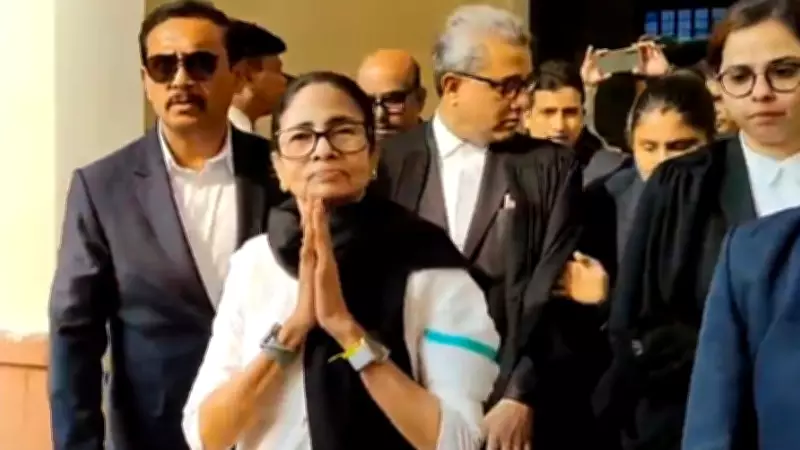
Mamata Banerjee personally appeared before the Supreme Court bench to present her case, alleging large-scale wrongful deletions of voters from the electoral rolls. She argued that these deletions could disenfranchise numerous citizens, potentially impacting the democratic process in West Bengal. The Chief Minister highlighted that approximately 58 lakh names had been removed, and affected individuals were not provided with a proper avenue to appeal these decisions.
In response, the court issued formal notices to the Election Commission (EC) and the chief electoral officer of West Bengal, scheduling the next hearing for February 9. The bench, led by Chief Justice of India Surya Kant, emphasized the urgency of the matter, noting that the entire SIR procedure operates under a strict timeline. This timeline had already been extended by 10 days, leaving only four days remaining for completion, with a subsequent 11-day window before elections.

Key Directives and Observations from the Supreme Court
The Supreme Court made several crucial observations and directives during the hearing:
- Sensitivity of Officers: Chief Justice Surya Kant explicitly instructed the Election Commission to ensure that its officers act with sensitivity. He stated, "Tell your officers also to be sensitive and not issue notice to...", underscoring the need for respectful and careful communication with voters during the revision process.
- Procedural Solutions: The court directed the state government to provide, by Monday, a list of Group B officers who could be spared to assist in the SIR exercise. This move aims to streamline the process and reduce the need for additional micro-observers, potentially expediting resolution.
- Addressing Errors: Senior advocate Shyam Divan, representing Mamata Banerjee, argued that brief reasons should be provided to individuals whose names are excluded, ensuring transparency. The CJI agreed, emphasizing that while communication methods vary, individuals must be informed adequately. The court also noted instances of misspelt names, such as in cases involving notable figures like Tagore, and suggested that a team proficient in Bangla could help rectify local dialect mistakes.
- Objective of the Revision: The bench clarified that the SIR's primary goals are to weed out deceased individuals and those disqualified from voting, while ensuring that genuine migrants and eligible persons remain on the rolls. The court stressed that "bonafide persons cannot be left out" due to procedural errors.
Implications and Next Steps
This hearing highlights the delicate balance between electoral integrity and voter rights in India's democratic framework. The Supreme Court's intervention seeks to mitigate potential injustices in the voter roll revision, particularly as elections approach. By urging sensitivity and practical solutions, the court aims to safeguard the interests of innocent citizens while adhering to electoral timelines.
The next hearing on February 9 will be pivotal in monitoring the Election Commission's compliance with these directives and addressing any ongoing issues. As the political landscape in West Bengal heats up, this case underscores the judiciary's role in ensuring fair and transparent electoral processes across the nation.






