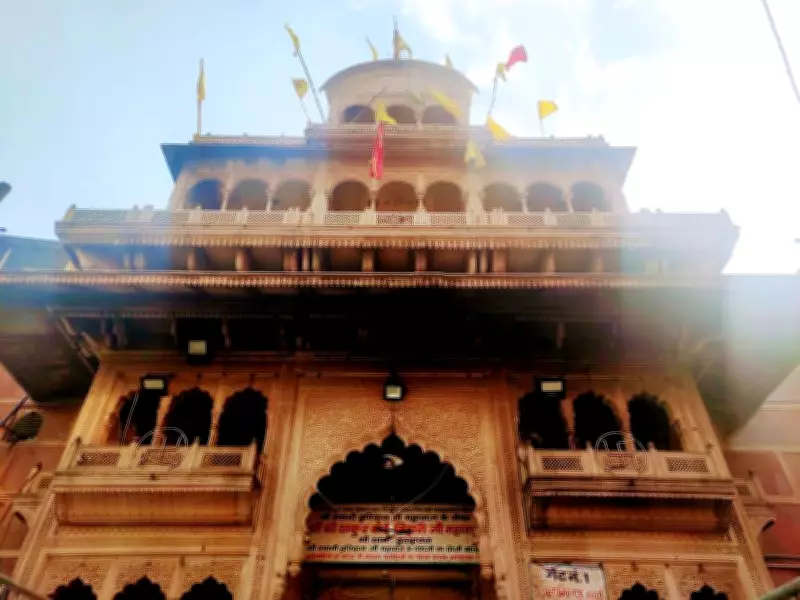
The Supreme Court of India has directed the committee responsible for managing the renowned Bankey Bihari Temple in Vrindavan to respond to allegations of unauthorized alterations to the temple's religious practices. The petition, filed by a devotee, claims that the temple committee has introduced changes that deviate from the traditional rituals and customs followed for centuries.
Allegations of Tinkering with Traditions
The petitioner, a regular worshipper at the temple, has accused the managing committee of implementing a VIP darshan system that prioritizes certain visitors over others, thereby disrupting the egalitarian nature of worship. Additionally, the petition alleges that the committee has modified the timing of rituals and introduced new ceremonies without proper consultation or adherence to the established practices.
Supreme Court's Directive
Hearing the case, the Supreme Court bench, comprising Justices Sanjay Kishan Kaul and Sudhanshu Dhulia, issued a notice to the temple committee, seeking a detailed response within four weeks. The court emphasized the need to preserve the sanctity and traditional practices of the temple, which is a significant pilgrimage site for devotees of Lord Krishna.

Response from Temple Committee
The Bankey Bihari Temple committee has yet to file its formal response. However, sources indicate that the committee may argue that the changes were made to manage the increasing footfall and ensure the safety and convenience of devotees. The committee is expected to submit its reply before the next hearing, scheduled for August.
Importance of Bankey Bihari Temple
Located in the holy city of Vrindavan, Uttar Pradesh, the Bankey Bihari Temple is one of the most revered Hindu temples dedicated to Lord Krishna. The temple's unique traditions, including the iconic 'darshan' of the deity, attract millions of devotees annually. Any alteration to these practices is considered a serious matter by the faithful.
The Supreme Court's intervention highlights the judiciary's role in protecting religious customs and ensuring that administrative changes do not compromise the spiritual essence of places of worship. The case has sparked a debate among devotees and religious scholars about the balance between modernization and tradition in managing religious institutions.