Supreme Court Addresses Electoral Roll Revision Process in India
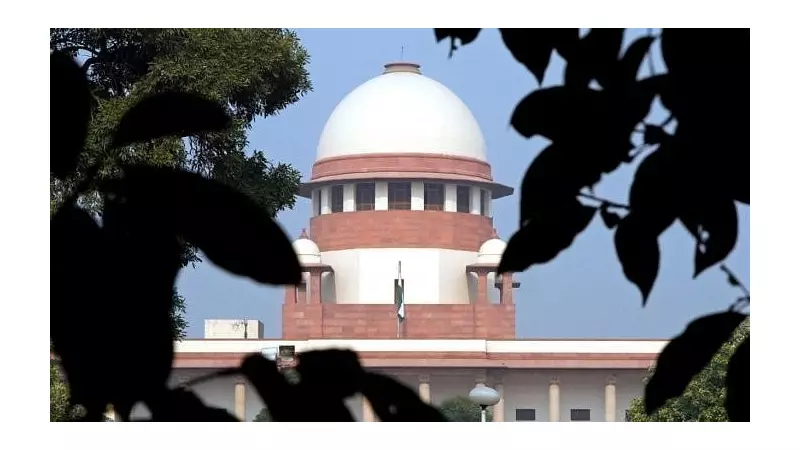
The Supreme Court of India has recently provided crucial clarifications regarding the ongoing electoral roll revision exercise conducted by the Election Commission of India (ECI). This development comes as part of the Special Intensive Revision (SIR) process, which involves systematic additions and deletions of voters from the electoral rolls across various states, including Bihar.
ECI's Defense of the Special Intensive Revision Exercise
The Election Commission of India has firmly defended its SIR exercise, emphasizing its importance in maintaining accurate and updated voter lists. In its submissions to the Supreme Court, the ECI highlighted that the revision process is a standard administrative procedure aimed at ensuring the integrity of electoral democracy by removing duplicate, deceased, or ineligible voters while enrolling new eligible citizens.
The commission made it clear that Aadhaar cards and voter identity cards cannot be treated as conclusive proof of citizenship. This statement addresses concerns and misconceptions that have arisen during the revision process, where some individuals might assume these documents alone establish citizenship status for voting purposes.

Legal and Administrative Framework of Voter Roll Updates
The Supreme Court's involvement underscores the legal scrutiny applied to electoral processes in India. Key aspects of this framework include:
- Regular revision cycles mandated by election laws to keep voter lists current.
- Transparent procedures for citizens to object to inclusions or exclusions during the SIR.
- Use of multiple documentary evidences beyond Aadhaar for verifying voter eligibility.
This judicial oversight ensures that the ECI's actions align with constitutional principles and statutory requirements, balancing administrative efficiency with citizens' voting rights.
Implications for Voters and Electoral Integrity
The clarification from the ECI regarding Aadhaar and voter IDs has significant implications:
- It reinforces that citizenship verification for voting involves a broader set of criteria and documents.
- It aims to prevent potential misuse or misinterpretation of identity documents in electoral contexts.
- It supports the goal of creating clean and reliable electoral rolls, which are fundamental to free and fair elections.
As the SIR exercise continues, voters are encouraged to participate actively by checking their enrollment status and providing necessary documentation when required, contributing to a more robust democratic process in India.