

The Supreme Court of India has taken a significant step in the ongoing political and legal debate surrounding electoral processes in West Bengal. A bench led by the Chief Justice of India has formally issued notice to the Election Commission of India while hearing multiple petitions that challenge the Special Intensive Revision (SIR) of electoral rolls currently underway in the state.
Legal Challenge to Electoral Roll Revision
The petitions before the Supreme Court question the validity and timing of the Special Intensive Revision being conducted by the Election Commission in West Bengal. This revision process, which involves a thorough verification and updating of voter lists, has become a contentious issue with allegations of potential irregularities and political motivations.
Mamata Banerjee's Personal Appearance
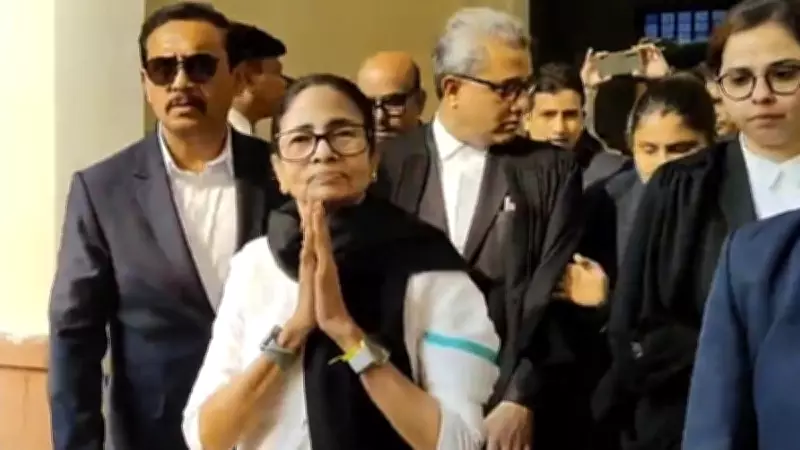
In a notable development, West Bengal Chief Minister Mamata Banerjee appeared before the Supreme Court bench in person to present her case. During her submission, Banerjee emphasized that she was "fighting for a larger cause" beyond immediate political considerations, framing the issue as one of fundamental democratic principles and electoral integrity.

Broader Implications for Electoral Democracy
The Supreme Court's decision to issue notice to the Election Commission indicates the judicial system's engagement with what could become a landmark case affecting electoral processes nationwide. The court's intervention comes at a crucial time when questions about voter list accuracy and electoral transparency are gaining prominence across India's political landscape.
Legal experts suggest this case could establish important precedents regarding:
- The Election Commission's authority and procedures for electoral roll revisions
- Judicial oversight of electoral processes
- Standards for challenging electoral preparations
- Timing and transparency requirements for voter list updates
Political Context in West Bengal
The legal challenge occurs against the backdrop of intense political competition in West Bengal, where electoral rolls have historically been a sensitive subject. The Special Intensive Revision has drawn criticism from various political quarters, with concerns raised about potential disenfranchisement and administrative overreach.
As the Supreme Court proceeds with this case, all eyes will be on how India's highest judicial body balances electoral administration autonomy with constitutional safeguards for democratic processes. The outcome could significantly influence how future electoral preparations are conducted not just in West Bengal but potentially across all Indian states.






