Supreme Court Resumes Hearing on Petitions Challenging Bihar's Electoral Roll Revision
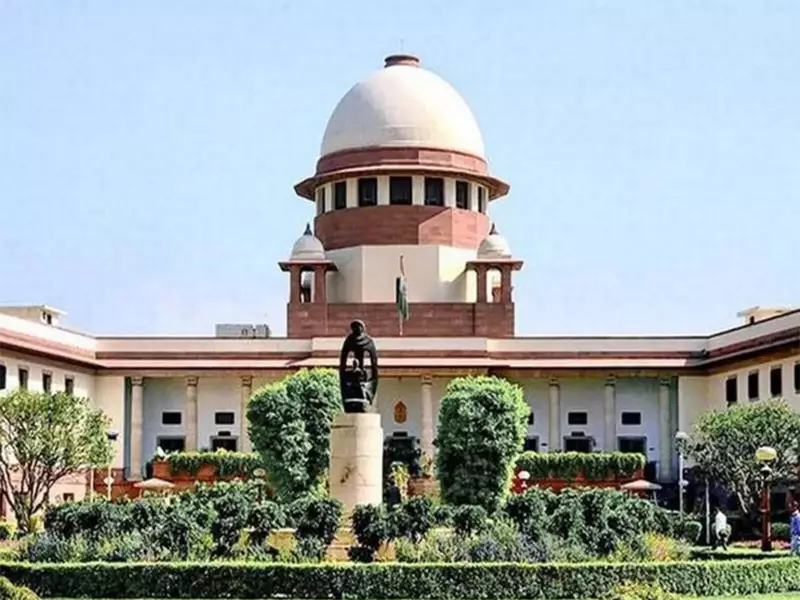
The Supreme Court of India on Wednesday resumed the final hearing on a batch of 19 petitions that challenge the Special Intensive Revision (SIR) of electoral rolls conducted by the Election Commission of India (ECI) in Bihar last year. During the proceedings, the court made significant observations regarding the nature of electoral roll revisions and the use of Aadhaar for voter identity verification.
Court's Observations on Electoral Roll Revisions
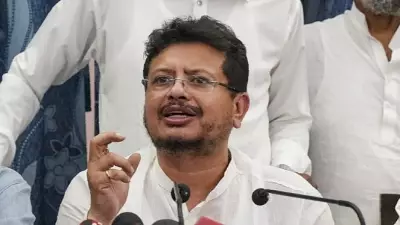
Chief Justice of India Surya Kant, heading the bench alongside Justice Joymalya Bagchi, noted that additions and deletions are an integral part of the electoral roll revision exercise. This remark came in response to arguments presented by senior advocate Kapil Sibal, who appeared for one of the petitioners. Sibal alleged that there were "mass deletions" from the final voter list in Bihar, raising concerns about the fairness and transparency of the process.
Kapil Sibal countered the ECI's actions by arguing that annual revisions of electoral rolls already exist, and therefore, a wholesale special revision requires strong justification supported by data. He emphasized that while the Election Commission possesses plenary powers under Article 324 of the Constitution to conduct elections, the determination of citizenship falls exclusively under the purview of the Union government as per the Citizenship Act. Sibal passionately stated, "This is not an ordinary administrative decision. This judgment will decide the future course of democracy in India."

Aadhaar's Role in Voter Verification Discussed
The bench also addressed the contentious issue of using Aadhaar as one of the documents for verifying a voter's identity during electoral roll revisions. Justice Bagchi observed that the mere possibility of forgery cannot be grounds to reject Aadhaar, which is among the 12 documents recognized for this purpose. He explained, "If a document is recognized by statute, it cannot be discarded merely because a private entity is involved in its issuance." This statement referred to the Unique Identification Authority of India (UIDAI), the body responsible for issuing Aadhaar cards.
To further illustrate this point, the bench noted that even passports, which are processed through private agencies performing public duties, are accepted as valid documents. This comparison underscores the court's stance on the legitimacy of Aadhaar in official processes, despite its issuance by a statutory authority with private involvement.
Background and ECI's Defense
The Supreme Court had commenced final arguments in this matter on August 12 last year, initially noting that the inclusion or exclusion of names in electoral rolls falls within the constitutional remit of the Election Commission of India. The ECI has consistently defended the Special Intensive Revision exercise, asserting that Aadhaar and voter identity cards cannot be treated as conclusive proof of citizenship.
According to the commission, ensuring that only citizens are included in the electoral rolls is a constitutional duty, and Aadhaar can at best be used to prevent duplication of entries, not to establish citizenship. The ECI has also denied allegations of political motives behind the deletions, emphasizing that such actions occurred across party lines, thereby maintaining the impartiality of the process.
Expected Conclusion of Hearing
The hearing is anticipated to conclude on Thursday, with the Supreme Court's final judgment likely to have far-reaching implications for electoral processes in India. This case highlights the delicate balance between the Election Commission's authority to manage electoral rolls and the need for robust safeguards to protect democratic principles and citizen rights.
As the proceedings unfold, stakeholders across the political and legal spectrum are closely monitoring the developments, recognizing that the outcome could shape future electoral reforms and the integrity of voter registration systems in the country.