Supreme Court Rejects Lalu Prasad's Bid to Quash Land-for-Jobs Case
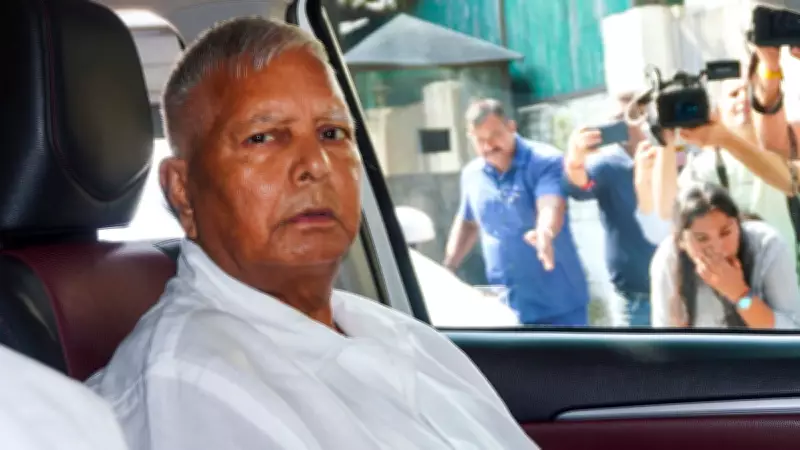
The Supreme Court of India has delivered a significant ruling in the high-profile land-for-jobs case involving former Bihar Chief Minister and RJD supremo Lalu Prasad Yadav. In a decision announced on April 13, 2026, the apex court declined to quash the case against him, allowing the legal proceedings to continue. However, the court provided a key concession by granting Yadav exemption from personal appearance in court hearings, citing potential health and logistical concerns.
Legal Arguments and Section 17A Challenge
During the proceedings, Lalu Prasad Yadav's legal team argued for the dismissal of the case, but the Supreme Court upheld the lower court's jurisdiction. Notably, the court permitted Yadav to raise the issue of the applicability of Section 17A of the Prevention of Corruption Act. This section, introduced to protect public servants from prosecution without prior approval, has become a focal point in the case. The court's decision to allow this challenge means that Yadav can contest whether the charges against him comply with this legal provision, potentially impacting the trajectory of the trial.
The land-for-jobs scandal alleges that during Yadav's tenure, government jobs were exchanged for land parcels, implicating him in corruption charges. The case has drawn widespread attention due to its political ramifications and the involvement of a prominent figure in Indian politics. The Supreme Court's ruling emphasizes the judiciary's commitment to due process while balancing the rights of the accused.

Implications and Next Steps
This development marks a critical juncture in the ongoing legal battle. With the case not quashed, investigations and hearings will proceed, but Yadav's exemption from appearance may streamline proceedings. Legal experts suggest that the challenge to Section 17A could set a precedent for similar corruption cases in India, influencing how such laws are interpreted and enforced. The Supreme Court has scheduled further hearings to address this issue, ensuring a thorough examination of the legal nuances involved.
In summary, the Supreme Court's decision underscores the complexity of high-stakes corruption cases in India. By refusing to dismiss the case yet granting procedural relief, the court aims to uphold justice while considering practical aspects. Stakeholders, including political observers and legal analysts, will closely monitor the upcoming hearings for insights into the future of anti-corruption enforcement in the country.