RJD MP Urges Government to Acknowledge LPG Shortage Crisis
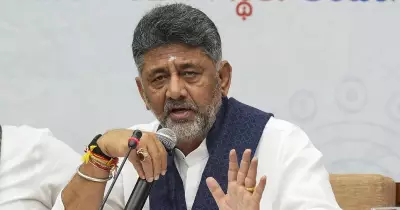
In a sharp critique of the government's stance, RJD MP Manoj Kumar has emphasized that denial is not a good instrument for addressing public issues, specifically urging authorities to accept the ongoing shortage of LPG cylinders. His remarks come at a time when opposition parties are actively protesting against the alleged scarcity, which has sparked widespread concern among citizens across India.
Opposition Protests Escalate Over LPG Supply Issues
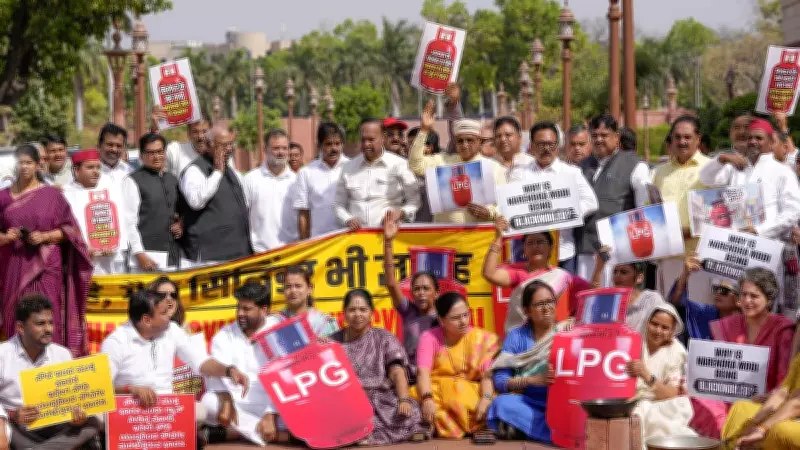
The political landscape is heating up as various opposition groups have organized demonstrations to highlight the persistent shortage of LPG cylinders, a critical household resource. These protests underscore growing frustrations over supply chain disruptions and the government's perceived reluctance to acknowledge the problem publicly. Kumar's statement adds fuel to the fire, calling for transparency and immediate action to resolve the crisis.
Manoj Kumar's Call for Government Accountability
Manoj Kumar, a prominent RJD leader, has been vocal in his criticism, arguing that ignoring or denying such shortages only exacerbates public hardship. He stressed that effective governance requires acknowledging realities and implementing solutions rather than resorting to denial. This appeal resonates with many who rely on LPG for daily cooking needs, especially in rural and urban areas facing intermittent supply.

Implications for National Politics and Public Policy
The LPG shortage issue has become a focal point in national politics, with implications for public policy and governance. As opposition parties leverage this to challenge the government, Kumar's remarks highlight a broader debate on accountability and responsiveness in addressing essential commodity shortages. The situation calls for collaborative efforts to ensure stable supply chains and prevent future disruptions.
In summary, the RJD MP's urgent plea for the government to accept the LPG shortage reflects mounting pressure from opposition protests and public demand for action. This development underscores the need for transparent communication and proactive measures to mitigate such crises in the future.