Bollywood Star Defends Father's Legacy
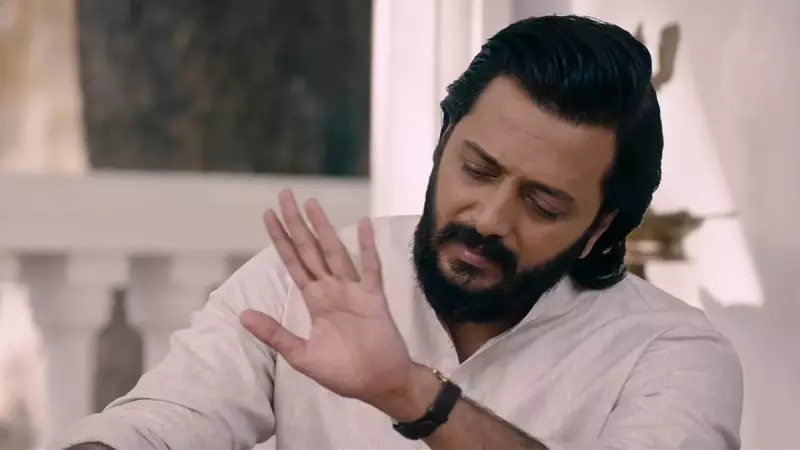
In a sharp and emotional response, Bollywood actor Riteish Deshmukh has publicly countered controversial statements made by a Bharatiya Janata Party (BJP) leader concerning his late father. The remarks, which suggested the memory of former Maharashtra Chief Minister Vilasrao Deshmukh would be "wiped out" from his hometown, have ignited a significant political controversy.
The Controversial Statement and Immediate Backlash
The incident unfolded on Monday, January 6, 2026, when the unnamed BJP leader made the contentious comment about the late Congress stalwart. The leader asserted that the legacy and memories of Vilasrao Deshmukh would be erased from Latur, the city deeply associated with the Deshmukh family's political roots.
Riteish Deshmukh, known for his measured public persona, did not take long to respond. He firmly stated, "You cannot erase my father's name." This direct rebuttal underscores the personal and political weight of the comment, framing it not just as a political attack but as an affront to familial respect and legacy.

A Legacy Entwined with Latur
The late Vilasrao Deshmukh was a towering figure in Maharashtra politics, serving as the state's Chief Minister twice and holding the Union Minister for Heavy Industries portfolio. His connection to Latur is profound, having represented the constituency in the state assembly. His work and identity are deeply embedded in the region's socio-political fabric.
Riteish's defense highlights this inseparable link. The actor's statement implies that his father's contributions and name are not merely political tokens but are permanently etched into the history and development of the region. Attempting to remove that, he suggests, is an impossible task.
Political Repercussions and Public Sentiment
This exchange is more than a war of words; it reflects the intense, often personal, nature of political rivalries in India. By targeting the memory of a respected, albeit opposition, leader, the BJP figure has opened a debate on political discourse and the limits of partisan criticism.
The public reaction is likely to be mixed, with supporters of the Deshmukh family viewing the BJP leader's comment as disrespectful, while political opponents may see it as harsh but standard rhetoric. However, Riteish Deshmukh's entry as a popular cultural figure defending his father's honor adds a significant layer of public relations pressure to the situation.
As of now, there has been no official reaction from the state or national leadership of the BJP regarding their member's statement. Whether this remains a localized controversy or escalates into a larger political issue remains to be seen. The incident, however, has successfully brought the legacy of Vilasrao Deshmukh and the political dynamics of Maharashtra back into the national spotlight.