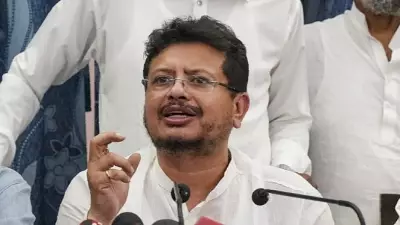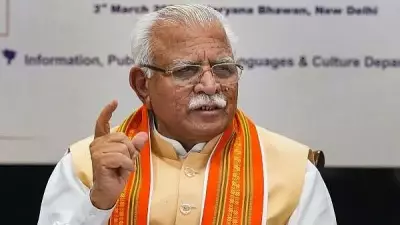
The national discourse on gender and faith has been reignited by a sharp critique from social commentator Ridhima Sharma. On December 26, 2025, Sharma launched a pointed examination of two highly sensitive issues, placing women's autonomy and personal choice firmly at the center of public debate.
Condemning the 'Test Drive' Analogy on Women
Ridhima Sharma took direct aim at a controversial statement made by Anirudh Acharya regarding women in live-in relationships. Acharya's remark, which framed such relationships as a 'test drive' for women, was met with fierce opposition from Sharma. She argued that this analogy is deeply offensive and reduces women's personal choices and agency to a crude transactional concept.
Sharma emphasized that such language undermines the dignity of women who choose live-in partnerships, framing their decisions as matters of practicality and mutual respect rather than temporary trials. Her rebuttal highlights a growing intolerance for rhetoric that objectifies women and judges their life choices, sparking widespread reactions across social media platforms.

Questioning Narratives Around Changur Baba
Adding another complex layer to the controversy, Ridhima Sharma also turned her scrutiny towards the narratives surrounding alleged religious conversions linked to the spiritual figure Changur Baba. She questioned the evidence and motives behind these claims, suggesting they often serve to polarize communities and distract from substantive issues.
By connecting Acharya's remark to the Changur Baba controversy, Sharma framed both as part of a larger pattern where public discourse is used to police personal freedom—whether in matters of relationships or faith. This dual critique has positioned the debate at the intersection of gender rights and religious identity, two of India's most potent social fault lines.
A Nationwide Clash of Opinions and Values
The conversation initiated by Sharma's comments reflects escalating concerns over how influential statements shape social attitudes. The issue has transcended individual remarks to spark a wider clash of opinions on morality, modernity, and individual liberty in contemporary Indian society.
Strong reactions continue to emerge online, with the debate dividing opinion along lines of gender, generation, and belief. Many see Sharma's stance as a necessary defense of women's rights and secular values, while others view it as an attack on traditional cultural and religious norms. This ongoing public discourse underscores the persistent tension between evolving social practices and entrenched conservative viewpoints.
As platforms like Times Mantra provide analysis, the core questions remain: Who controls the narrative around women's bodies and choices? And how are allegations of conversion weaponized in public life? Ridhima Sharma's intervention ensures these questions stay in the spotlight, challenging the nation to confront uncomfortable truths about dignity, autonomy, and freedom.