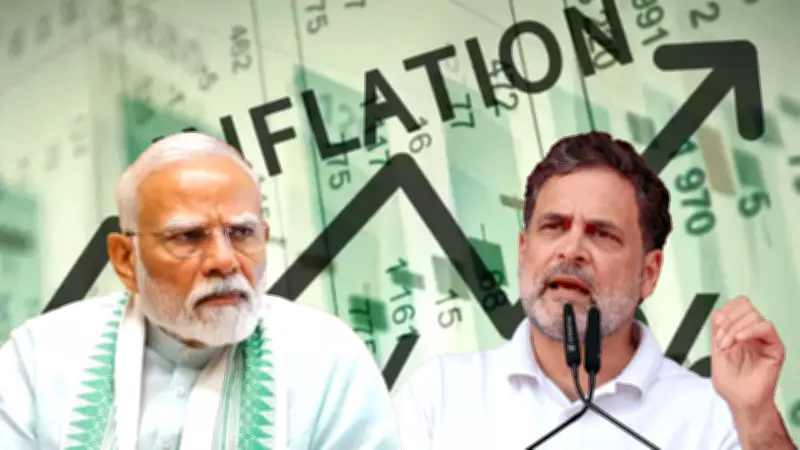
Rahul Gandhi Sounds Alarm on Inflation Risks as Rupee Plummets to Historic Low
Congress leader Rahul Gandhi has voiced serious concerns about an impending wave of inflation that could severely impact Indian households. His warning comes in response to the Indian rupee's sharp decline to a record low against the US dollar, with the currency dangerously approaching the 100-mark threshold.
Currency Slide and Fuel Price Surge Threaten Economic Stability
The rupee's dramatic fall is occurring against a backdrop of escalating crude oil prices, driven by heightened geopolitical tensions involving the United States, Israel, and Iran. This dual pressure from currency depreciation and rising energy costs creates a perfect storm for inflationary pressures.
Rahul Gandhi specifically criticized the Narendra Modi-led government's economic strategy, suggesting that current policies are inadequate to address these mounting challenges. He emphasized that ordinary citizens will bear the brunt through increased daily expenses and transportation costs.

Expert Analysis Predicts Widespread Economic Impact
Economic experts concur with Gandhi's assessment, noting that sustained pressure on the rupee combined with higher fuel prices could significantly push up inflation rates. This development threatens not just household budgets but overall economic stability in the coming months.
The potential consequences include:
- Increased costs for essential commodities and services
- Higher transportation expenses affecting both personal and commercial sectors
- Reduced purchasing power for middle and lower-income families
- Potential ripple effects on investment and economic growth
Political Response and Policy Implications
Gandhi's warning represents a significant political challenge to the ruling administration's economic management. The criticism comes at a time when global economic uncertainties are testing India's resilience against external shocks.
The situation highlights the complex interplay between international geopolitics, currency markets, and domestic economic policy. As the rupee continues to face downward pressure and oil prices remain volatile, policymakers must navigate these turbulent waters to protect India's economic interests and household welfare.
This development underscores the urgent need for comprehensive strategies to stabilize the currency, manage energy costs, and shield vulnerable populations from inflationary shocks. The coming weeks will be crucial in determining how effectively India can weather this economic storm.