Rahul Gandhi Launches Scathing Attack on PM Modi Over India-US Trade Deal
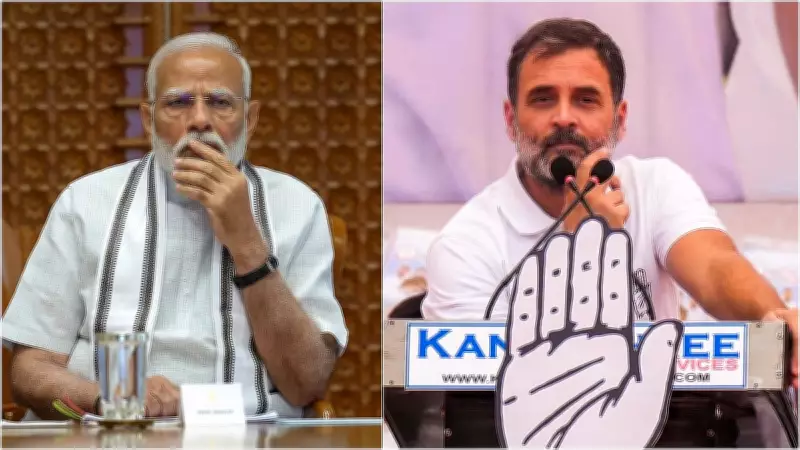
Congress leader Rahul Gandhi has launched a fierce political assault on Prime Minister Narendra Modi, accusing him of "exposed betrayal" in the context of ongoing India-United States trade negotiations. The criticism comes in response to a significant ruling by the United States Supreme Court regarding import tariffs that has reignited debate about international trade dynamics.
US Supreme Court Delivers Landmark Ruling on Tariff Authority
On Friday, the United States Supreme Court issued a decisive 6-3 ruling that determined the Trump administration had exceeded its legal authority when implementing broad-based import tariffs. The court specifically found that the administration improperly utilized the International Emergency Economic Powers Act (IEEPA) of 1977 to justify these trade measures.
This legal decision has created substantial implications for international trade relationships, including the complex negotiations between India and the United States that have been ongoing for several years. The ruling effectively limits executive power in imposing such tariffs without clearer congressional authorization.

Gandhi's Direct Accusation: "Betrayal Now Stands Exposed"
Responding to this development, Rahul Gandhi took to social media platform X (formerly Twitter) to deliver a pointed critique of Prime Minister Modi's approach to trade negotiations with the United States. In a series of statements posted on February 21, 2026, the Congress leader made several direct allegations against the Prime Minister.
"The PM is compromised," Gandhi declared in his social media post. "His betrayal now stands exposed. He can't renegotiate. He will surrender again."
These comments represent a significant escalation in political rhetoric surrounding India's trade policy with the United States, suggesting that Gandhi believes the Indian government has made excessive concessions in previous negotiations and will continue to do so in future discussions.
Political Context and Trade Negotiation Implications
The India-US trade relationship has been marked by periodic tensions and negotiations over various issues including tariffs, intellectual property rights, and market access. The Supreme Court's ruling regarding the limitations of presidential authority in imposing tariffs adds a new dimension to these ongoing discussions.
Political analysts suggest that Gandhi's comments reflect broader opposition concerns about India's negotiating position in international trade agreements. The Congress leader's statement implies that the Modi government has failed to adequately protect Indian interests in previous trade discussions with the United States.
The timing of these accusations is particularly significant, coming shortly after the US Supreme Court decision that clarifies the legal boundaries of executive trade actions. This ruling may influence future trade negotiations between the two nations by establishing clearer parameters for what actions US administrations can legally undertake.
Broader Implications for India-US Relations
This development occurs against the backdrop of evolving economic relations between India and the United States, two of the world's largest democracies with increasingly interconnected economies. Trade between the two nations has grown substantially in recent years, making the terms of their economic relationship increasingly important for both countries.
The Supreme Court's ruling on tariff authority may necessitate adjustments in how future US administrations approach trade negotiations with international partners, including India. Meanwhile, domestic political criticism from opposition leaders like Rahul Gandhi adds another layer of complexity to India's negotiating position.
As both nations navigate these evolving trade dynamics, the intersection of domestic politics, legal frameworks, and international diplomacy continues to shape the future of economic relations between India and the United States. The coming months are likely to see continued debate about the appropriate balance between protecting domestic industries and fostering international trade partnerships.