Rahul Gandhi Escalates Attack on PM Modi Over Multiple Allegations
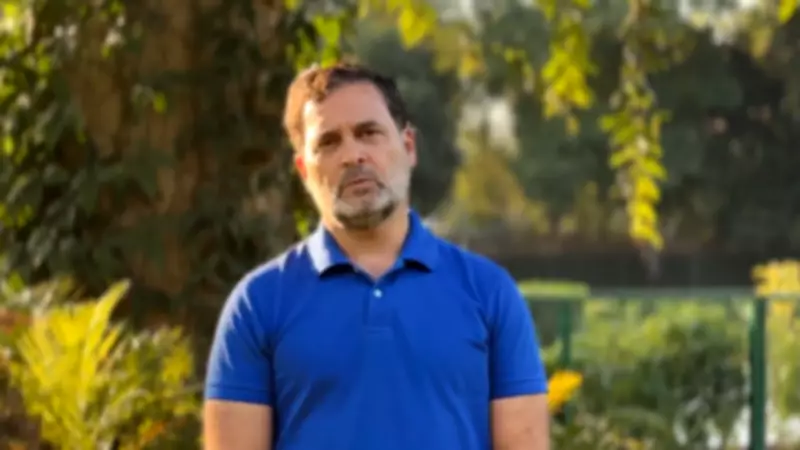
Lok Sabha Leader of Opposition Rahul Gandhi launched a fierce verbal assault on Prime Minister Narendra Modi on Monday, accusing the prime minister of presiding over what he characterized as a series of national "shames." Gandhi's broadside specifically targeted the US trade agreement and the controversial Epstein files, marking a significant escalation in political rhetoric.
Epstein Files Allegations Take Center Stage
In a pointed social media post accompanied by a video message, Gandhi directly challenged Modi's moral standing. "Modi ji, you talk of shame? Let me tell you what shame is," Gandhi declared. "Your name, your minister's, and your friend's appearing together in the Epstein files, your name being linked to such a vile criminal—that's what shame is."
This reference to the Jeffrey Epstein case comes amid ongoing scrutiny of international connections to the convicted sex offender. Gandhi's comments specifically implicated Modi's administration in the scandal, though he provided no concrete evidence beyond the alleged appearance of names in the files.

US Trade Deal Under Fire
The opposition leader further accused the prime minister of compromising national interests through trade negotiations with the United States. "The trade deal you've struck with America, in which you've sold out the country—that's what shame is," Gandhi asserted.
He elaborated with specific allegations: "You've handed over our country's data. You've wiped out the farmers. You've ruined the textile industry—that's what shame is." These claims represent serious charges about the potential consequences of international trade agreements on domestic industries and data sovereignty.
Corporate Favoritism Allegations
Gandhi also brought the Gautam Adani indictment case in the United States into his critique, suggesting improper connections between the prime minister and prominent industrialists. "The entire country knows it: the case running against Adani in America has kept you awake at nights—because it's a case against the BJP and your financial architecture," he claimed.
He further alleged: "For 14 months, no action has been taken on it—that's what shame is. Modi ji, do whatever you deem fit for your friends Anil Ambani, Adani, and yourself." These statements reflect ongoing political debates about corporate-government relationships in India.
Congress Party's Defiant Stance
Concluding his remarks with a declaration of political resolve, Gandhi stated: "I and the lion-hearted warriors of the Congress Party will keep defending the country—we won't retreat an inch." This positions the opposition party as guardians of national interest against what they portray as compromised governance.
Minister Puri's Clarification on Epstein Connections
In related developments, Union Petroleum Minister Hardeep Singh Puri has addressed questions about his purported connections to Jeffrey Epstein. Puri clarified that during his eight years in the United States, he met the convicted sex offender "only three to four times" in a private capacity.
According to Puri's statement, these interactions occurred when he was associated with the Independent Commission on Multilateralism after retiring from the Indian Foreign Service. He emphasized that he had just one email exchange with Epstein and maintained that all meetings took place before he joined the Union Cabinet in 2017.
Puri further noted that these details were already in the public domain, suggesting transparency about his past associations. This clarification comes amid heightened political sensitivity about international connections following Gandhi's allegations.
The exchange represents a significant moment in India's political discourse, with opposition forces challenging the government on multiple fronts including international relations, corporate ethics, and personal associations. As these allegations unfold, they are likely to shape parliamentary debates and public perception in the coming political season.