Rahul Gandhi Alleges Government Compromised Energy Security in Oil Agreements
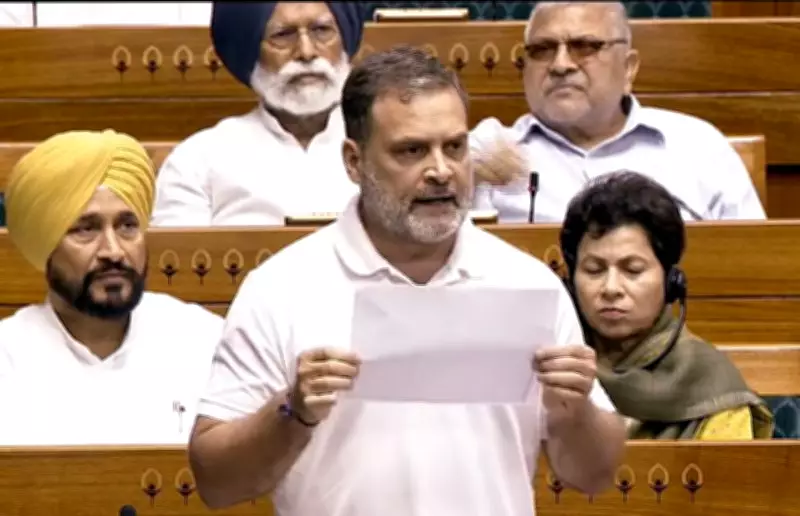
In a recent development, Congress leader Rahul Gandhi has made serious allegations against the Indian government, claiming that it has bartered away the nation's right to independently determine its relationships with oil suppliers. This accusation, which has sparked significant political debate, centers on the assertion that such actions have compromised India's energy security, a critical aspect of national stability and economic growth.
Details of the Allegations
Rahul Gandhi stated that the government, in its pursuit of oil deals, has entered into agreements that undermine India's sovereignty in managing ties with key energy partners. He emphasized that this move could leave the country vulnerable to external pressures and fluctuations in the global oil market, potentially impacting fuel prices and supply reliability for millions of Indians.
The core of the issue, according to Gandhi, lies in the perceived surrender of autonomy in diplomatic and trade negotiations with oil-exporting nations. This, he argues, not only affects energy procurement but also has broader implications for foreign policy and economic independence.

Implications for National Security
Energy security is a pivotal component of India's strategic interests, given its heavy reliance on oil imports to meet domestic demand. By allegedly compromising the ability to freely engage with suppliers, the government may have exposed the nation to risks such as supply disruptions or unfavorable terms that could strain the economy.
Experts suggest that maintaining flexible and sovereign ties with oil suppliers is essential for mitigating geopolitical risks and ensuring stable energy access. Gandhi's allegations highlight concerns that recent deals might have prioritized short-term gains over long-term security, potentially endangering India's energy resilience.
Political and Public Reaction
The accusations have ignited a fierce political debate, with opposition parties echoing Gandhi's concerns and calling for transparency in government dealings. Supporters of the administration, however, have defended the agreements as necessary for securing energy resources and fostering international partnerships.
- Critics argue that the government should have maintained stronger control over negotiation terms.
- Proponents claim that the deals are part of a broader strategy to diversify energy sources and enhance supply chains.
- Public discourse has focused on the balance between energy procurement and national sovereignty.
This controversy underscores the ongoing tensions in India's energy policy, where economic needs intersect with security considerations. As the debate continues, stakeholders are urging for a thorough review of the agreements to assess their impact on India's energy future.