Political Confrontation Intensifies Over LPG Shortage Concerns
Concerns regarding a potential commercial LPG shortage have ignited a fierce political confrontation between opposition parties and the Narendra Modi government. This situation arises as ongoing tensions in West Asia continue to severely disrupt global energy supply chains, raising alarms across India.
Opposition Accusations of Government Mismanagement
Senior opposition leader K C Venugopal has made serious allegations, claiming that gas agencies have received direct instructions to halt the supply of LPG cylinders for commercial use. He accused the central government of deliberately misleading the public about the true severity of the emerging crisis, framing it as a failure in governance and transparency.
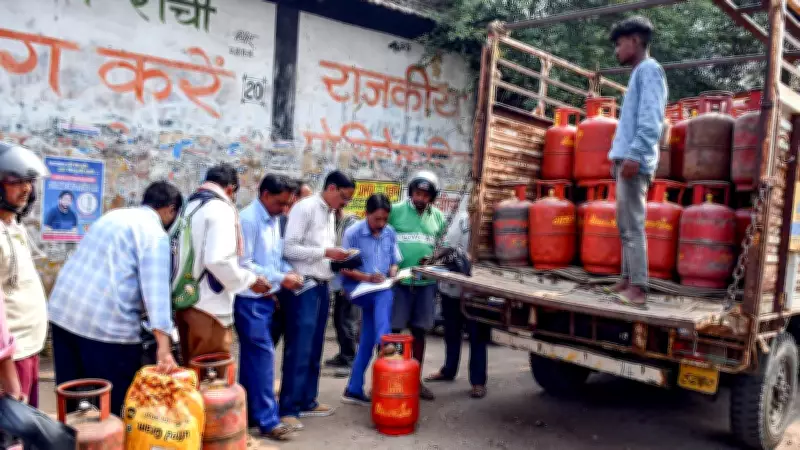
Echoing these concerns, Mahua Maji highlighted the growing public anxiety. She reported visible signs of distress, including long queues forming for LPG cylinders and crowded petrol pumps in cities such as Ranchi, indicating that fear is rapidly spreading among ordinary citizens facing uncertainty over their fuel supplies.

Government and Industry Reassurances Amidst Crisis
In response to these mounting accusations, Union Minister Piyush Goyal stepped forward to provide official reassurance. He firmly stated that there is no actual shortage of fuel in the country and urged citizens not to panic, emphasizing the government's commitment to maintaining stable energy supplies.
Providing critical industry insight, Kailash Dudani of the All India LPG Association clarified the situation. He explained that certain supply controls have indeed been implemented as a strategic measure. These controls are designed to manage existing stockpiles efficiently, prevent widespread panic buying that could exacerbate the situation, and ensure that LPG continues to reach essential sectors without interruption during this period of international instability.
The clash underscores the broader challenges India faces in securing its energy needs against the backdrop of volatile international conflicts, with political rhetoric heating up as both sides stake their claims on the narrative surrounding national preparedness and public welfare.