Why PM Modi's Visit to Dera Ballan and Punjab's Deras Are Politically Active
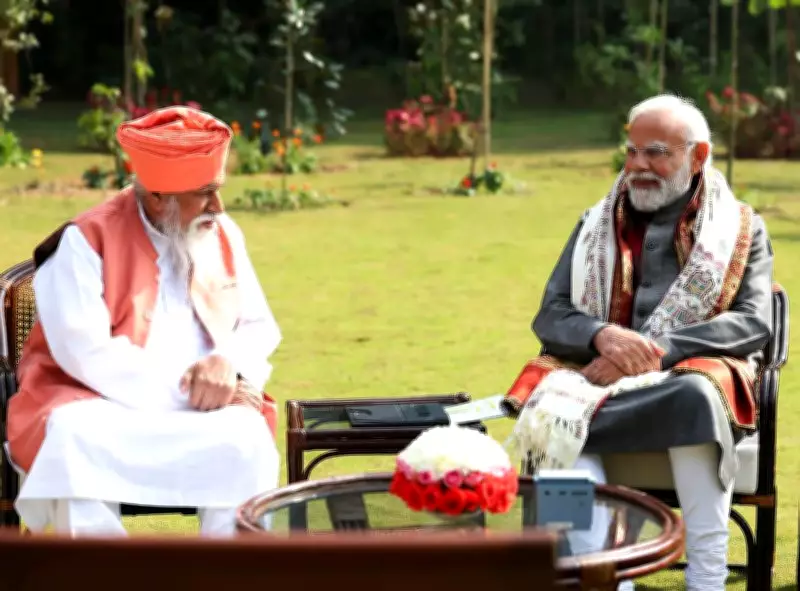
Prime Minister Narendra Modi's recent visit to Dera Ballan in Punjab has sparked widespread discussion about the political role of deras in the state. This move underscores the strategic importance these religious centers hold in shaping electoral outcomes and public opinion. Deras, which are spiritual or religious establishments often led by charismatic leaders, have long been influential in Punjab's socio-political landscape. Their involvement in politics is not a new phenomenon, but it has gained renewed attention with high-profile visits like Modi's.
The Historical Context of Deras in Punjab
Deras in Punjab have a rich history that dates back centuries, serving as hubs for spiritual guidance, social reform, and community support. Over time, many of these institutions have evolved to wield significant political clout. Leaders of major deras often command large followings, making them key players in mobilizing voters during elections. This influence stems from their ability to connect with grassroots communities and address local issues that mainstream political parties might overlook.
In recent decades, deras have become increasingly active in politics, endorsing candidates, organizing rallies, and even fielding their own members in elections. This trend is partly driven by the desire to protect their interests and promote their ideologies within the political framework. For instance, deras have been involved in advocating for farmers' rights, religious freedoms, and social justice, aligning their agendas with broader political movements.

PM Modi's Dera Ballan Visit: A Strategic Move
Prime Minister Modi's visit to Dera Ballan is seen as a calculated political strategy to engage with Punjab's influential religious communities. Dera Ballan, known for its large following and social initiatives, represents a significant segment of the state's population. By visiting such a dera, Modi aims to build bridges with key stakeholders and garner support ahead of crucial elections. This approach reflects a broader pattern where political leaders across parties seek alliances with deras to strengthen their electoral prospects.
The timing of the visit is also noteworthy, as it comes amid ongoing political realignments in Punjab. With state elections on the horizon, engaging with deras can help parties tap into their extensive networks and voter bases. Modi's outreach to Dera Ballan signals an effort to consolidate support in a region where deras play a pivotal role in shaping public sentiment.
Why Deras Remain Politically Active
Several factors contribute to the continued political activity of deras in Punjab. Firstly, their deep-rooted connections with local communities give them a unique platform to influence opinions and mobilize support. Many deras run educational institutions, healthcare centers, and charitable programs, which enhance their credibility and reach. This social capital translates into political leverage, as followers often look to dera leaders for guidance on voting decisions.
Secondly, deras often position themselves as mediators in social and political conflicts, addressing issues like caste discrimination, economic disparities, and religious tensions. By championing such causes, they gain relevance in the political discourse and attract attention from mainstream parties. Additionally, the fragmented nature of Punjab's political landscape, with multiple parties vying for power, creates opportunities for deras to act as kingmakers or swing voters in close contests.
Moreover, deras have adapted to modern political dynamics, using media and technology to amplify their messages. They organize large-scale events, leverage social media, and engage in public debates, ensuring their voices are heard in the political arena. This proactive approach helps them maintain their influence and stay relevant in an ever-changing political environment.

Implications for Punjab's Political Future
The political activity of deras has significant implications for Punjab's governance and electoral outcomes. On one hand, it can lead to more inclusive politics by bringing marginalized voices to the forefront. Deras often advocate for issues that affect rural and underprivileged communities, pushing political parties to address these concerns in their manifestos. This can result in policies that better reflect the needs of diverse groups within the state.
On the other hand, critics argue that the involvement of deras in politics may blur the lines between religion and state, potentially leading to sectarian tensions or undue influence on governance. There are concerns about deras using their power to advance narrow interests or undermine democratic processes. However, many deras emphasize their role as social reformers rather than political entities, focusing on humanitarian work alongside political engagement.
Looking ahead, the relationship between deras and politics in Punjab is likely to remain complex and dynamic. As political parties continue to court these institutions, deras will play a crucial role in shaping election campaigns and policy debates. Prime Minister Modi's visit to Dera Ballan is just one example of how this interplay unfolds, highlighting the enduring significance of deras in the state's political narrative.
In conclusion, the political activity of deras in Punjab is driven by historical, social, and strategic factors. PM Modi's visit to Dera Ballan underscores their importance in contemporary politics, reflecting broader trends where religious centers influence electoral dynamics. As Punjab navigates its political future, understanding the role of deras will be key to grasping the state's unique socio-political fabric.