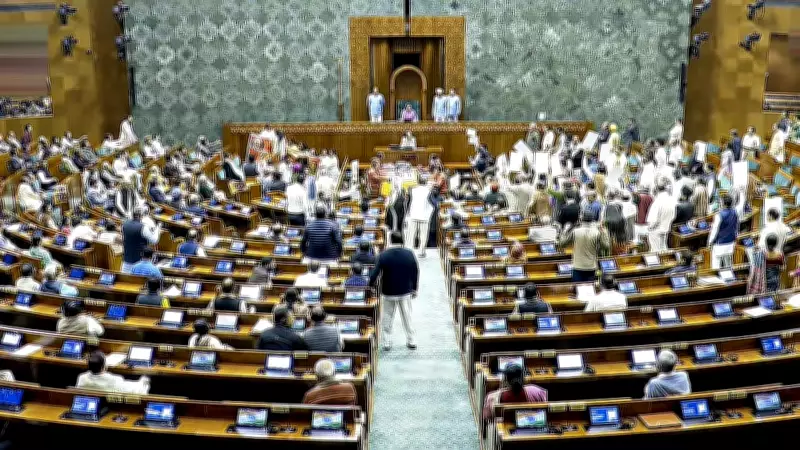
Parliamentary Session Sees PM Modi's Absence Amid Security Concerns
In a dramatic turn of events during the parliamentary proceedings on February 5, 2026, Prime Minister Narendra Modi was notably absent from the Lok Sabha session. This occurred as Speaker Om Birla raised serious allegations regarding potential security threats emanating from the Congress party, creating a tense atmosphere in the House.
Speaker Birla Cites Congress Threat During Motion of Thanks
The session, which resumed at 12 PM after an adjournment during the Question Hour, saw Speaker Om Birla directly addressing the security concerns before proceeding with the scheduled business. Birla explicitly mentioned threats from the Congress, which he stated necessitated heightened security measures and influenced the decision-making regarding the Prime Minister's participation.
This announcement came as the House was set to take up the crucial Motion of Thanks on the President's address. The Speaker's remarks immediately sparked reactions from various quarters, with the Opposition expressing strong dissent over the allegations.

Motion of Thanks Passed Amidst Opposition Protests
Despite the uproar and protests from Opposition members, the Lok Sabha managed to pass the Motion of Thanks. The proceedings were marked by:
- Heated exchanges between the Treasury and Opposition benches
- Repeated interruptions and points of order raised by dissenting members
- A firm stance by the Speaker to maintain order and proceed with the voting
The passage of the motion occurred under contentious circumstances, highlighting the deepening political rift in the Indian Parliament. The absence of PM Modi added a significant dimension to the day's events, with many viewing it as a strategic move linked to the cited security threats.
Political Implications and Reactions
This incident has far-reaching implications for India's political landscape. Key aspects include:
- Security Protocols: The allegations have raised questions about the security arrangements within Parliament and the assessment of threats against high-profile leaders.
- Parliamentary Functioning: The episode underscores the challenges in conducting smooth legislative business amid heightened political tensions.
- Inter-Party Relations: The direct accusation against the Congress party is likely to strain relations further between the ruling and main opposition parties.
Political analysts suggest that such developments could impact future parliamentary sessions and the overall decorum of the House. The timing of these events, coming during the discussion on the Motion of Thanks, has added symbolic weight to the proceedings.
As the news broke, reactions poured in from various political leaders and commentators. While the government side defended the Speaker's actions and the security concerns, the Opposition condemned what they termed as baseless allegations aimed at disrupting democratic processes.
The day's events in Lok Sabha have set the stage for potentially more confrontational politics in the coming sessions, with both sides preparing for extended debates on security, parliamentary privileges, and political accountability.