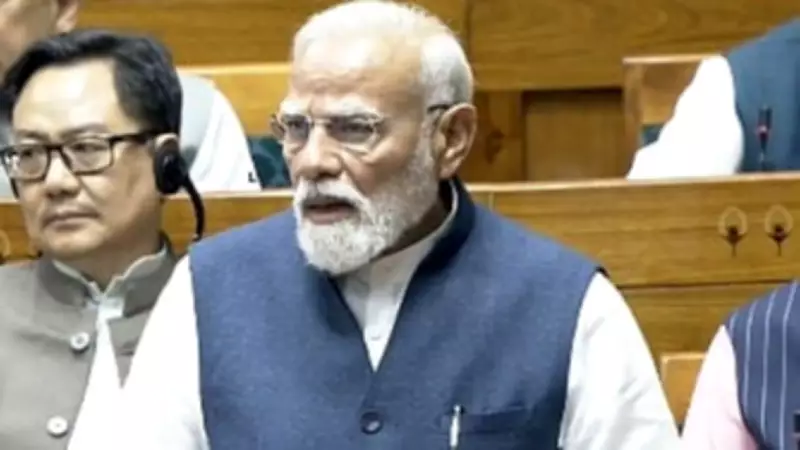
PM Modi Appeals for Bipartisan Support on Women's Quota Amendment
Prime Minister Narendra Modi has made a fervent plea to Members of Parliament, urging them to rise above partisan politics and support the government's proposed amendment to the women's reservation framework. Speaking during a highly charged parliamentary debate, the Prime Minister emphasized that the issue should not be given a "political colour" and must be addressed with a unified national perspective.
Development Beyond Infrastructure: The Role of Women
In his address, PM Modi articulated a broader vision of India's progress, stating that development cannot be measured by infrastructure alone. He highlighted that genuine advancement must also reflect the active participation of women in policymaking and governance. This statement underscores the government's commitment to integrating gender equality into the core of national development strategies.
The Prime Minister's remarks come amid intense discussions over the Union government's initiative to modify the existing quota system. The proposed amendment aims to enhance representation for women in legislative bodies, a move that has sparked diverse reactions across the political spectrum.

A Call for Unity in Parliament
Modi's appeal to MPs is seen as a strategic effort to foster consensus on a historically contentious issue. By urging lawmakers to transcend political divisions, he seeks to create an environment conducive to the passage of the women's reservation bill. This approach aligns with his previous advocacy for women's empowerment, which has been a recurring theme in his public addresses and policy initiatives.
The debate over the quota amendment has been marked by passionate arguments from both supporters and critics. Proponents argue that increased female representation is essential for inclusive governance, while opponents raise concerns about implementation challenges and potential impacts on existing reservation structures.
Implications for Women's Political Participation
If passed, the amendment could significantly alter the landscape of Indian politics by boosting the number of women in decision-making roles. This aligns with global trends toward greater gender parity in governance and reflects India's ongoing efforts to address gender disparities in various sectors.
PM Modi's speech also touched on the importance of women voters and candidates, reinforcing the government's focus on engaging female constituencies. His call for a non-political approach suggests a desire to frame the issue as a matter of national interest rather than partisan gain.
As the parliamentary session continues, all eyes are on how lawmakers will respond to this appeal. The outcome of this debate could set a precedent for future discussions on social and political reforms in India.