PM Cares Fund and the Migrant Worker Exodus: A Detailed Examination
The Prime Minister's Citizen Assistance and Relief in Emergency Situations (PM Cares) Fund was established in March 2020 as a dedicated public charitable trust to address emergencies like the COVID-19 pandemic. Its creation coincided with one of the most challenging humanitarian crises in recent Indian history: the mass exodus of migrant workers from urban centers to their rural homes.
The Context of the Migrant Worker Crisis
In late March 2020, India announced a nationwide lockdown to curb the spread of the coronavirus. This sudden measure, while necessary for public health, had severe unintended consequences for millions of migrant workers employed in cities like Delhi, Mumbai, and Bengaluru. With public transport suspended and daily wage jobs vanishing overnight, these workers faced immense hardship, leading to a desperate and often tragic exodus on foot, bicycles, and overcrowded vehicles.
Role and Controversies of the PM Cares Fund
The PM Cares Fund was launched to provide relief during such crises, with contributions from individuals, corporations, and organizations. However, its operation during the migrant worker exodus sparked significant debate and criticism.

Key functions of the fund included:
- Procuring ventilators and medical equipment for COVID-19 treatment.
- Supporting vaccine development and distribution efforts.
- Providing financial assistance to affected citizens, including migrants.
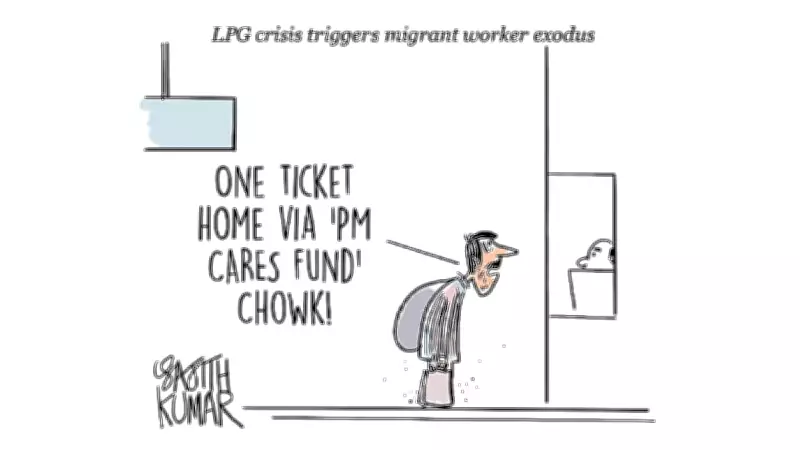
Despite these aims, many argued that the fund's response was inadequate and slow in addressing the immediate needs of migrant workers. Critics pointed out that the exodus highlighted pre-existing gaps in India's social security net, which the fund did not fully bridge. Issues such as lack of transparency in fund allocation and the absence of real-time disbursement mechanisms were frequently raised.
Broader Implications for Social Welfare
The migrant worker exodus underscored systemic vulnerabilities in India's labor and welfare policies. It revealed how informal sector workers, who form a large part of the economy, often fall through the cracks during emergencies. The PM Cares Fund, while a step toward centralized relief, faced challenges in reaching the most marginalized populations quickly.
This situation prompted calls for more robust and inclusive social welfare frameworks. Experts suggested that long-term solutions, such as portable benefits and better registration systems for migrant workers, are essential to prevent similar crises in the future.
Public and Political Reactions
The handling of the migrant worker exodus and the role of the PM Cares Fund became a focal point in public discourse. Supporters of the fund emphasized its role in mobilizing resources during an unprecedented pandemic, while detractors questioned its efficacy and accountability. Political debates often centered on whether the fund should have been more directly involved in providing immediate aid, such as food and transportation, to stranded workers.
In summary, the PM Cares Fund and the migrant worker exodus are intertwined chapters in India's COVID-19 narrative. They highlight the complexities of managing large-scale emergencies in a diverse and populous country. While the fund contributed to pandemic relief efforts, the exodus exposed critical gaps that require ongoing attention and reform in India's approach to social welfare and crisis management.