Pappu Yadav's Controversial Remark on Women in Politics Sparks Debate
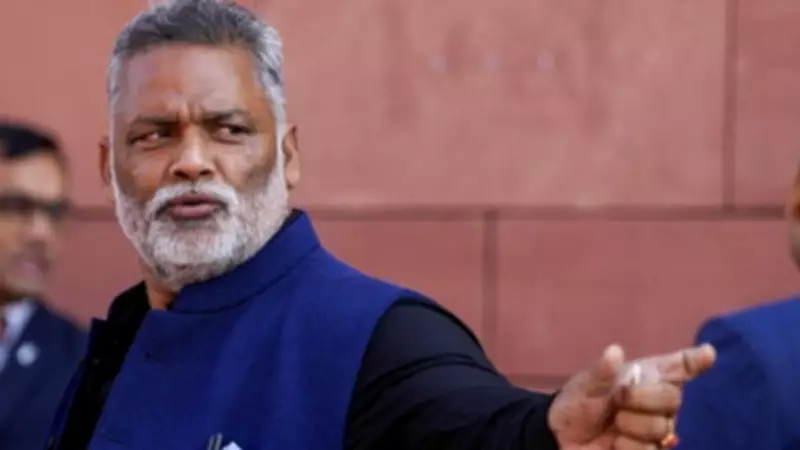
In a statement that has ignited a firestorm of controversy, former MP and political leader Pappu Yadav claimed that a staggering 90% of women in India cannot start their political careers without "going to a neta's room." This remark, made during a public address, has stirred up a significant row, drawing sharp criticism and sparking a broader debate about the gender barriers and challenges faced by women in the political arena.
The Controversial Claim
Pappu Yadav, a prominent figure in Indian politics known for his outspoken views, asserted that the path to political entry for women is fraught with obstacles, often requiring them to compromise their dignity. He suggested that systemic issues within political parties and the broader political culture create an environment where women are forced to navigate unethical demands to gain a foothold. This claim has been met with widespread condemnation from various quarters, including women's rights activists, political opponents, and members of the public.
Reactions and Criticism
The remark has prompted a flurry of reactions across the political spectrum. Many have labeled it as derogatory and insensitive, arguing that it perpetuates harmful stereotypes and undermines the achievements of women who have successfully built political careers through merit and hard work. Critics have called for an apology, emphasizing that such statements can deter women from entering politics and reinforce existing gender biases.

On the other hand, some have interpreted Yadav's comments as a blunt acknowledgment of the harsh realities within Indian politics, pointing to instances of harassment and exploitation that have been reported over the years. They argue that his statement, while controversial, sheds light on the need for systemic reforms to make politics more inclusive and safe for women.
Broader Implications for Women in Politics
This incident has reignited discussions about the representation of women in Indian politics. Despite efforts to increase participation, women remain underrepresented in legislative bodies and party leadership roles. Key points include:
- Low Representation: Women hold only about 14% of seats in the Lok Sabha, highlighting a significant gender gap.
- Barriers to Entry: Challenges such as lack of financial resources, societal expectations, and patriarchal structures often hinder women's political aspirations.
- Need for Change: There is a growing call for policies like gender quotas and stronger anti-harassment measures to create a more equitable political landscape.
Political and Social Context
Pappu Yadav's remark comes at a time when issues of gender equality and women's empowerment are at the forefront of national discourse. It underscores the persistent challenges that women face in male-dominated fields like politics, where power dynamics can lead to exploitation. The controversy has also sparked conversations about the responsibility of political leaders in shaping public perception and promoting inclusive values.
As the debate continues, many are urging for a focus on constructive solutions rather than divisive rhetoric. This includes advocating for mentorship programs, capacity-building initiatives, and legal protections to support women in politics. The incident serves as a reminder of the long road ahead in achieving true gender parity in India's democratic processes.