

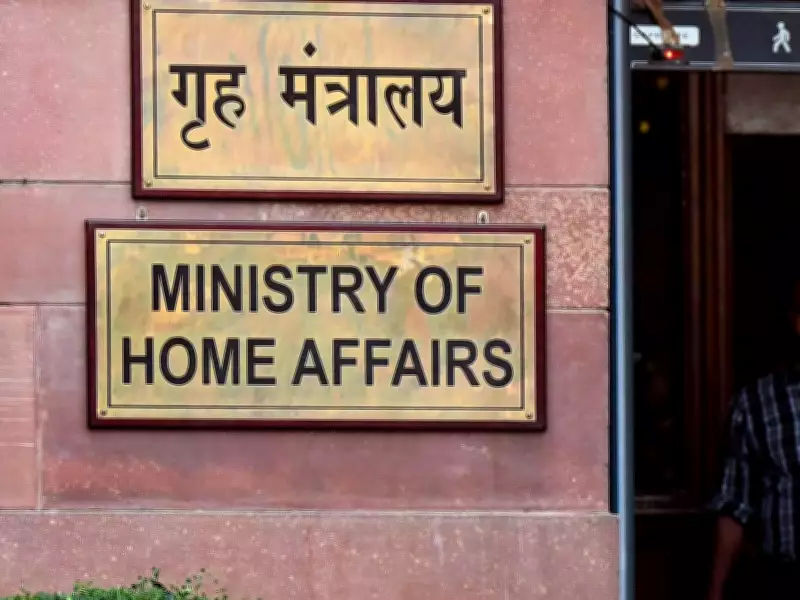
Union Home Ministry Panel Probes Ladakh's Constitutional Safeguards and Statehood Demands
A high-powered committee from the Union home ministry has engaged in critical discussions with Ladakh's leading political coalitions, questioning whether inclusion under the Constitution's Sixth Schedule would offer adequate protections. This development signals that New Delhi is meticulously evaluating constitutional limitations, substantial fiscal expenditures, and diverse governance frameworks as demands for full statehood intensify across the region.
Detailed Scrutiny of Sixth Schedule and Financial Implications
During extensive talks held on Wednesday in New Delhi, the committee directly queried representatives from the Leh Apex Body (LAB) and the Kargil Democratic Party (KDA). The panel sought to understand if the Sixth Schedule—originally designed for tribal areas in Northeast India—could effectively serve as a constitutional shield for Ladakh. Sources indicated that the government highlighted that this schedule falls under Article 368 and is subject to parliamentary amendment, raising questions about its permanence as a safeguard.
The government also pressed for comprehensive clarity regarding the financial burden associated with granting Ladakh full statehood with its own legislature. This includes detailed projections for salaries, provident fund liabilities, and other operational expenditures for approximately 19,000 employees. The panel emphasized that managing a state or a Union territory with a legislature involves addressing budget deficits and adhering to long-term fiscal responsibility norms, necessitating thorough financial planning from Ladakhi activists.

Historical Context and Core Demands
The Sixth Schedule provides special protections over land ownership, cultural preservation, and resource management through the establishment of autonomous councils. Since the 2019 bifurcation of Jammu and Kashmir into two separate Union territories, residents of Ladakh have consistently advocated for similar constitutional safeguards and the attainment of statehood status to ensure greater political autonomy and developmental control.
Senior BJP functionary Tashi Gyalson, who participated in the meeting as the former executive chairman of the Ladakh Autonomous Hill Development Council, described the dialogue as a progressive step. "Discussions spanned two-and-a-half hours, with every member actively contributing," he informed reporters. The conversations comprehensively covered statehood prospects, Sixth Schedule inclusion, and the potential for implementing Article 370-type safeguards tailored to Ladakh's unique needs.
Gyalson further elaborated, "In broader terms, the government indicated that Ladakh will receive constitutional safeguards, achieve political empowerment, and be developed as a sustainable model for regional governance."
Political Reactions and Ongoing Negotiations
Representatives from LAB and KDA—umbrella organizations encompassing political and religious groups from Leh and Kargil—characterized the discussions as inconclusive. LAB co-chairman Chering Dorjay Lakrook and his KDA counterpart Asgar Ali Karbalai jointly stated that the two core demands of statehood for Ladakh and inclusion under the Sixth Schedule remain unresolved. Both leaders anticipate another round of talks in the near future to advance these critical issues.
This recent engagement follows a previous meeting between LAB, KDA, and the home ministry panel on October 22, 2025. That session was initiated after the Centre ordered an inquiry into the September 24 police firing on protesters in Leh, who were demanding statehood and Sixth Schedule status—an incident that tragically resulted in four fatalities.
On November 14, the two groups submitted a joint 29-page draft proposal to the home ministry. The document also included a request for a general amnesty for LAB member and prominent climate activist Sonam Wangchuk, along with others arrested following the September 24 protests, highlighting the interconnected nature of political and civil rights in the region.






