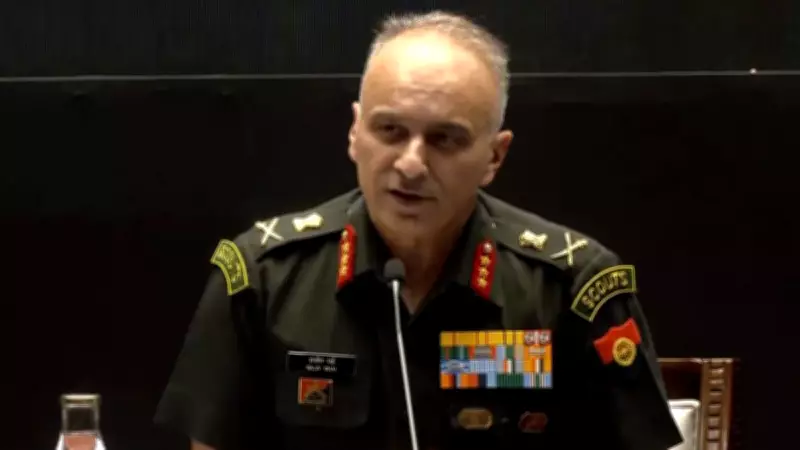
On the first anniversary of Operation Sindoor, former Director General of Military Operations (DGMO) Lieutenant General Rajiv Ghai (retired) disclosed that Pakistan had urgently requested the United States to intervene and halt the Indian military strikes. Speaking exclusively to India TV, Ghai provided a detailed account of the operation that marked a significant shift in India's strategic posture.
Operation Sindoor: A Defining Moment
Operation Sindoor was launched on May 7, 2025, in response to a series of cross-border terrorist attacks that had claimed the lives of numerous Indian soldiers and civilians. The operation involved precision strikes against terrorist infrastructure across the Line of Control (LoC). Ghai, who served as the DGMO during the operation, described it as a meticulously planned and executed mission that demonstrated India's resolve to protect its sovereignty.
Pakistan's Desperate Appeal
According to Ghai, within hours of the commencement of Operation Sindoor, Pakistan's top military leadership reached out to the United States, requesting urgent diplomatic intervention to stop the Indian offensive. "Pakistan was caught off guard by the scale and precision of our strikes. They immediately contacted Washington, asking the US to pressure India into halting the operation," Ghai said. The former DGMO noted that the US, while urging restraint, did not directly intervene, allowing India to achieve its objectives.

Strategic Implications
The operation sent a clear message to Pakistan that cross-border terrorism would not be tolerated. Ghai emphasized that the success of Operation Sindoor was a result of improved intelligence, coordination between the army, air force, and navy, and the political will to take decisive action. "For the first time, India demonstrated that it could conduct complex military operations without escalating into a full-scale war," he explained.
Reactions and Aftermath
International reactions to Operation Sindoor were mixed. While some countries expressed concern over the escalation, others acknowledged India's right to self-defense. Domestically, the operation was widely supported across the political spectrum. Ghai noted that the operation also led to a temporary reduction in cross-border infiltration, as terrorist groups were forced to relocate their infrastructure.
Lessons Learned
Reflecting on the anniversary, Ghai highlighted the importance of maintaining a credible deterrence. "Operation Sindoor proved that India can and will respond to provocations. The key is to ensure that our military readiness is always matched with diplomatic agility," he said. He also stressed the need for continued modernization of the armed forces to meet emerging threats.
As India marks the first anniversary of Operation Sindoor, the revelations by former DGMO Rajiv Ghai provide a rare glimpse into the high-stakes diplomacy and military strategy that defined the operation. The event remains a milestone in India's national security policy, underscoring the country's willingness to take unilateral action to defend its interests.