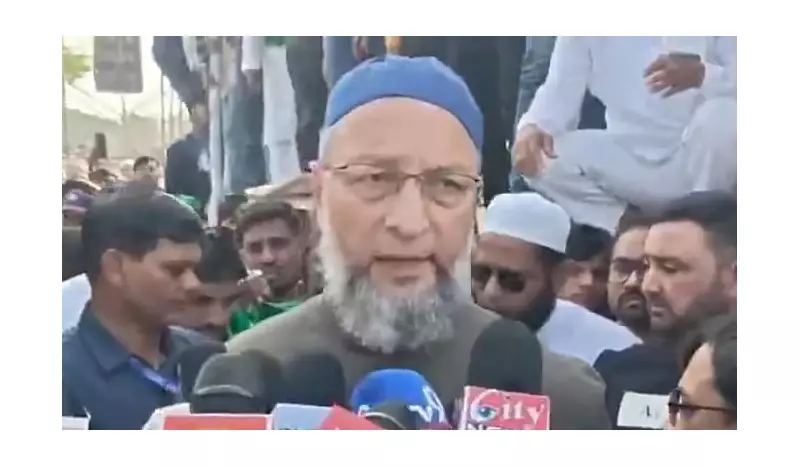
In a striking statement aimed at the political landscape of Maharashtra, All India Majlis-e-Ittehadul Muslimeen (AIMIM) president Asaduddin Owaisi has advised voters, particularly from the Muslim community, on how to deal with cash offerings during elections. His comments, made on Tuesday, January 6, 2026, have sparked widespread discussion.
A Pragmatic Approach to Poll Cash
Addressing a gathering, Owaisi presented a unique perspective on the common practice of money distribution during elections. He directly told the electorate that if they are offered money by political parties or candidates, they should accept it. However, he added a significant caveat.
If the recipients feel the money is 'haram' or religiously forbidden, Owaisi suggested a constructive alternative: use those funds to build toilets in their localities. This directive frames the act of accepting poll cash not as a personal gain but as a potential resource for community development and improving civic amenities.

A Call for Political Empowerment
Beyond the immediate advice on handling election money, Owaisi's speech carried a deeper political message. He used the platform to call upon Muslims to focus on building a strong and independent political leadership. Expressing concern over the current state of minority representation, Owaisi lamented that while every other community in India has managed to consolidate and wield political power, minorities often find themselves left behind.
His remarks underscore a long-standing debate about the political empowerment of minority communities in India and the need for leadership that can effectively advocate for their rights and development within the democratic framework. The context of his statement is set against the backdrop of ongoing or upcoming civic polls in Maharashtra, where his party aims to make electoral gains.
Context and Implications
The statement, reported by PTI and published on January 6, 2026, is seen as a strategic move by the Hyderabad-based MP. It serves a dual purpose: it offers a witty, pragmatic solution to a chronic electoral malpractice while simultaneously highlighting the socio-economic needs of underdeveloped areas, such as the lack of proper sanitation.
Furthermore, it reinforces Owaisi's consistent political narrative, which focuses on self-reliance and assertive political participation from the Muslim community, rather than relying on traditional political patrons. The advice to convert 'haram' money into public good is a powerful rhetorical tool that resonates with both religious sentiment and civic responsibility.
As Maharashtra remains a key battleground state, such statements are likely to influence political discourse, especially in urban and semi-urban constituencies where civic issues like sanitation are of paramount importance to voters.