Opposition Launches Unprecedented Bid to Remove Lok Sabha Speaker Om Birla
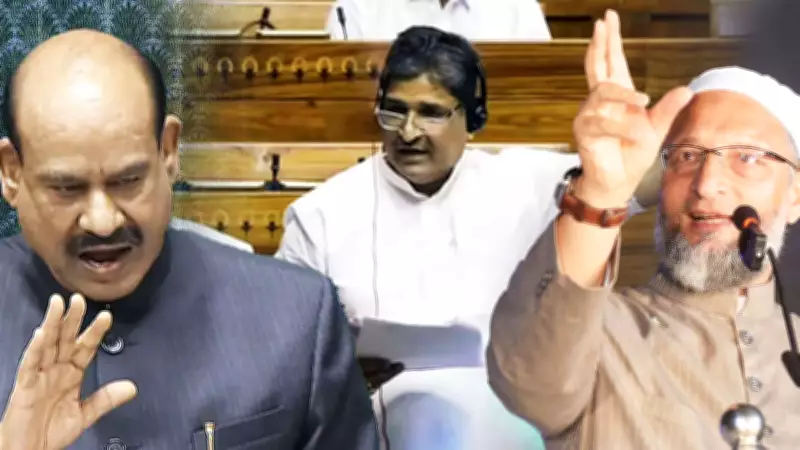
Parliament is currently witnessing an extraordinary political development as the opposition has formally initiated proceedings to remove Om Birla from the position of Lok Sabha Speaker. This rare constitutional maneuver marks a significant escalation in parliamentary tensions during the ongoing Budget Session.
Congress MP Submits Resolution with 118 Signatures
Congress MP Mohammad Jawed officially moved the resolution in the House, submitting a notice that carries the signatures of 118 Members of Parliament. The motion was filed earlier during the first phase of the current parliamentary session, setting the stage for a potentially historic debate about parliamentary leadership and procedure.
Constitutional Debate Over Deputy Speaker Vacancy
The discussion has now shifted to procedural matters, with members actively debating who will preside over proceedings when the motion is eventually taken up for consideration. Congress leader K. C. Venugopal has raised a significant constitutional concern, arguing that the government has failed to appoint a Deputy Speaker for several years, creating what he describes as a "constitutional gap" in parliamentary functioning.
Government and Opposition Clash Over Constitutional Basis
The Bharatiya Janata Party has firmly rejected the opposition's charges. Senior BJP leader Ravi Shankar Prasad stated unequivocally that the opposition's objections lack any constitutional foundation, setting the stage for a heated parliamentary confrontation. This exchange highlights the deepening political divisions within the legislative body.
Procedural Uncertainties and Parliamentary Implications
As the motion progresses, several procedural questions remain unresolved:
- Who will chair the proceedings during the debate on the Speaker's removal?
- How will parliamentary business continue if the motion advances?
- What precedent does this motion set for future parliamentary conduct?
The absence of a Deputy Speaker complicates these procedural matters significantly, as there is no designated alternate presiding officer to manage the House during discussions about the Speaker's position. This constitutional vacuum has become a central point of contention between the ruling party and opposition forces.
Broader Political Context and Implications
This development represents more than just a procedural dispute—it signals a fundamental breakdown in parliamentary consensus and cooperation. The motion to remove a sitting Speaker is an exceptionally rare occurrence in Indian parliamentary history, reflecting the intense political polarization that currently characterizes legislative proceedings.
The opposition's collective action, led by the Congress party but supported by multiple opposition groups through the 118 signatures, demonstrates a coordinated strategy to challenge the government's parliamentary management. Meanwhile, the BJP's firm rejection of the motion indicates the government's determination to maintain its parliamentary agenda without significant procedural concessions.
This confrontation is likely to have lasting implications for parliamentary decorum, inter-party relations, and the functioning of democratic institutions. As both sides prepare for what promises to be a contentious debate, the eyes of the nation remain fixed on Parliament, awaiting the outcome of this unprecedented constitutional challenge.