Opposition Leaders Condemn Modi Government Over US Waiver on Russian Oil
In a significant development, opposition leaders in India have launched a fierce attack on the Modi government following the United States Treasury Department's decision to grant a 30-day waiver allowing Indian refiners to purchase Russian oil. The political backlash centers on concerns over national sovereignty and foreign influence on India's energy policies.
Political Figures Voice Strong Objections
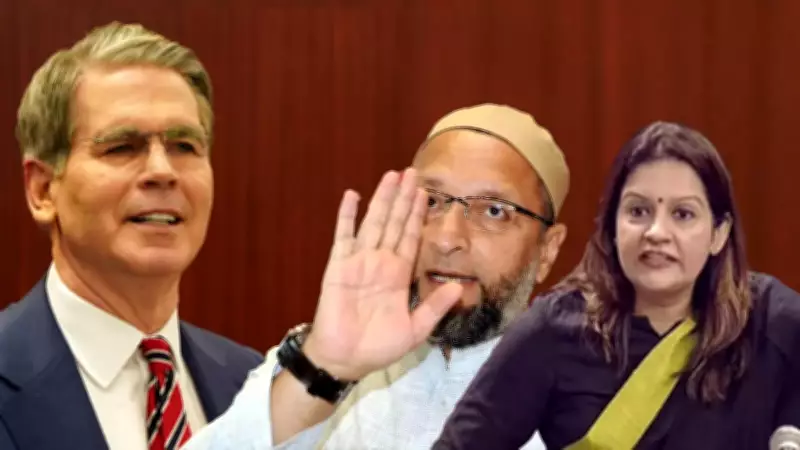
Several prominent opposition figures have expressed their disapproval of what they perceive as external interference in India's energy decisions. Priyanka Chaturvedi raised pointed questions about why India should accept directives from the United States regarding the timing and methodology of oil procurement. She emphasized that such matters should be determined independently by Indian authorities without external pressure.
Asaduddin Owaisi went further, asserting that the waiver arrangement fundamentally undermines India's sovereignty. He demanded immediate accountability from the government, stressing that energy security decisions must remain firmly within India's control rather than being subject to foreign approval processes.

Unprecedented and Humiliating, Say Critics
Saurabh Bhardwaj characterized the situation as both humiliating and unprecedented, arguing that India's status as a sovereign nation should preclude such conditional arrangements with foreign powers. Meanwhile, Manoj Kumar Jha condemned the government's silence on the matter, insisting that decisions regarding Russian oil purchases should rest entirely with Indian institutions rather than being influenced by international entities.
The collective opposition stance highlights growing concerns about maintaining India's autonomous decision-making capacity in critical areas like energy security. These leaders argue that accepting conditional waivers from foreign governments sets a dangerous precedent that could compromise India's strategic independence in future international engagements.
Broader Implications for Energy Policy
This controversy emerges against the backdrop of complex global energy dynamics and India's ongoing efforts to secure reliable oil supplies amid fluctuating international relations. The opposition's criticism reflects deeper anxieties about how external factors might increasingly shape India's domestic and foreign policy choices, particularly in sectors as vital as energy procurement.
The political discourse surrounding this waiver suggests that energy security has become a focal point for debates about national sovereignty and international diplomacy. As India navigates these challenging geopolitical waters, the balance between pragmatic energy needs and principled sovereignty remains a contentious issue that continues to generate significant political debate.