Opposition Condemns Rejection of Removal Motion Against Chief Election Commissioner
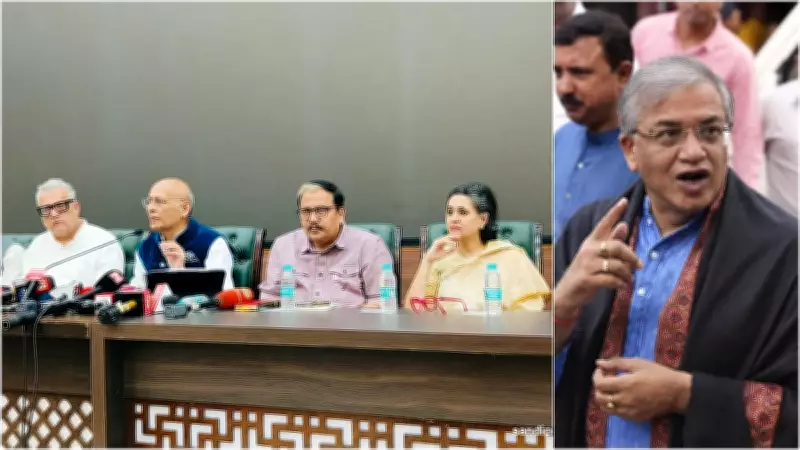
In a significant political development, opposition parties have launched a sharp critique against the recent rejection of a removal notice targeting Chief Election Commissioner (CEC) Gyanesh Kumar. The opposition contends that dismissing the motion at this preliminary stage has severely undermined the established constitutional process, raising concerns about procedural integrity and democratic norms.
Invoking Supreme Court Precedent on Consultation
Congress leaders, referencing a landmark Supreme Court judgement concerning the impeachment notice against Justice Yashwant Varma, have highlighted what they describe as a critical omission. According to the opposition, the orders issued in this case are "significantly silent" on the mandatory consultation process as explicitly envisaged by the apex court. This silence, they argue, represents a direct violation of constitutional safeguards designed to ensure transparency and accountability in high-level appointments and removals.
The opposition's argument centers on the principle that any motion for the removal of a constitutional authority like the CEC must undergo thorough consultation and deliberation, as mandated by judicial precedent. By rejecting the notice prematurely, they claim, the authorities have bypassed this essential step, potentially setting a dangerous precedent for future cases.

Broader Political Implications and Reactions
The controversy has drawn reactions from multiple opposition factions, including the Aam Aadmi Party (AAP) and the Trinamool Congress (TMC), who have echoed concerns about the erosion of constitutional processes. These parties emphasize that the Chief Election Commissioner holds a pivotal role in safeguarding electoral integrity, and any move perceived as undermining the removal mechanism could have far-reaching consequences for India's democratic framework.
Key points raised by the opposition include:
- The necessity of adhering to Supreme Court guidelines on consultation for removal proceedings.
- The potential impact on public trust in electoral institutions if procedural norms are disregarded.
- Calls for a review of the decision to ensure compliance with constitutional mandates.
This incident underscores ongoing tensions between the ruling establishment and opposition forces over institutional independence and governance standards. As debates intensify, stakeholders are closely monitoring whether further legal or parliamentary actions will be initiated to address the alleged procedural lapses.
Reported by Shemin Joy on April 8, 2026, at 15:12 IST, this development highlights the intricate interplay between law, politics, and constitutional adherence in contemporary Indian governance.