Om Birla Affirms Parliamentary Rules After Opposition's Motion for Speaker Removal Is Rejected
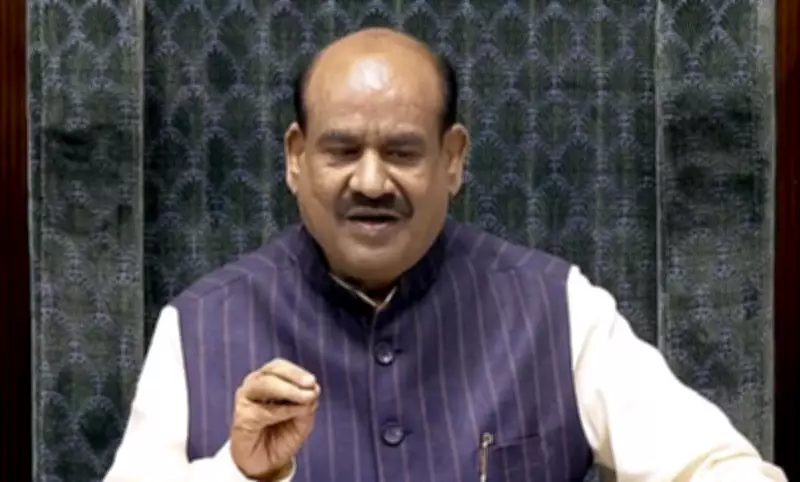
Lok Sabha Speaker Om Birla has firmly stated that the House functions strictly according to established rules and procedures, following the rejection of a motion seeking his removal. This statement came during his address to the Lower House, marking his first speech since the contentious motion, raised by over 100 Opposition members, was defeated by a voice vote.
Details of the Motion and Its Outcome
The motion for the removal of Speaker Om Birla was introduced by a coalition of Opposition parties, representing a significant challenge in the parliamentary session. However, it failed to gain traction and was ultimately rejected through a voice vote in the Lok Sabha, a process where members verbally express their support or opposition without a formal recorded count. This outcome underscores the current political dynamics and the strength of the ruling coalition in the House.
Birla's Emphasis on Procedural Integrity
In his address, Speaker Om Birla highlighted the importance of adhering to parliamentary norms and the rule-based functioning of the Lok Sabha. He emphasized that all decisions and proceedings must align with the constitutional framework and established guidelines, ensuring transparency and fairness in legislative processes. His remarks were seen as a reaffirmation of the institutional integrity of Parliament amid political tensions.

Political Context and Reactions
The motion's failure has sparked discussions within political circles, with the Opposition criticizing the voice vote method as lacking transparency, while government supporters defended it as a legitimate parliamentary tool. This event reflects ongoing debates about parliamentary democracy and the role of the Speaker in maintaining order and impartiality in the House.
Implications for Future Parliamentary Sessions
This incident may influence future interactions between the ruling and opposition parties in the Lok Sabha, potentially shaping strategies for legislative debates and motions. It also raises questions about the effectiveness of voice votes in critical decisions and the broader implications for democratic processes in India.
As the parliamentary session continues, all eyes will be on how both sides navigate these procedural challenges while upholding the dignity and functionality of the House.