NGT Directs Joint Committee to Investigate Quarrying Impact on Tata Cancer Hospital in Kharghar
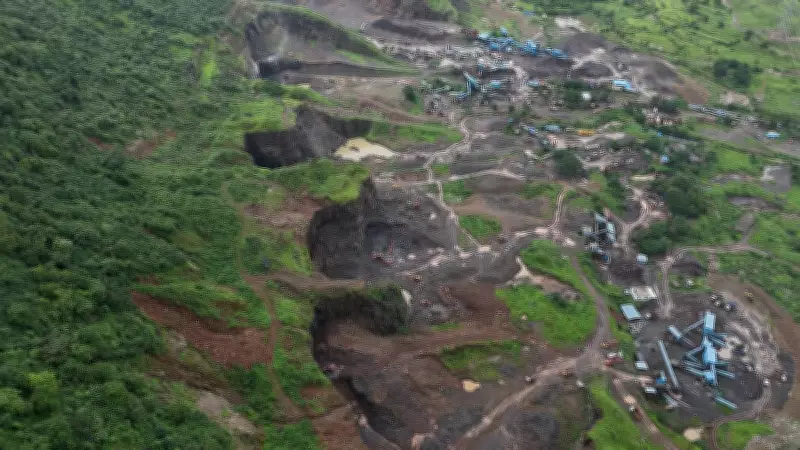
The National Green Tribunal (NGT) has issued a significant order, mandating a comprehensive joint investigation into the potential environmental and health impacts of quarrying activities near the Tata Memorial Centre's Homi Bhabha Cancer Hospital in Kharghar, Maharashtra. This directive comes in response to growing concerns that the quarry operations could be compromising the hospital's critical functions and the well-being of its patients and staff.
Details of the NGT Order and Committee Formation
In a decisive move, the NGT has formed a joint committee comprising representatives from key regulatory bodies. This committee includes members from the Central Pollution Control Board (CPCB), the Maharashtra Pollution Control Board (MPCB), and the District Magistrate of Raigad. The tribunal has tasked this panel with conducting a thorough on-site inspection and assessment of the quarrying activities in the vicinity of the cancer hospital.
The primary objective of this probe is to evaluate whether the quarry operations are causing any adverse environmental effects, such as air and noise pollution, dust generation, or vibration disturbances, that could potentially interfere with the hospital's medical services. The NGT has emphasized the urgency of this investigation, given the hospital's role as a premier cancer care facility serving a large number of patients.

Background and Concerns Leading to the Probe
The Tata Memorial Centre's Homi Bhabha Cancer Hospital, located in Kharghar, is a state-of-the-art medical institution dedicated to cancer treatment and research. Recent reports and complaints have highlighted that nearby quarrying activities might be posing serious risks to the hospital's environment. Concerns have been raised about excessive dust and particulate matter from the quarries, which could exacerbate respiratory issues among immunocompromised cancer patients and disrupt sensitive medical equipment.
Additionally, noise pollution from blasting and machinery operations is feared to be affecting the tranquil environment necessary for patient recovery and hospital operations. The NGT's intervention follows petitions and appeals from environmental activists and local residents, who have urged authorities to address these potential hazards promptly.
Scope of the Investigation and Expected Outcomes
The joint committee is expected to conduct a detailed environmental impact assessment, focusing on several key areas. This includes monitoring air quality levels, measuring noise and vibration intensities, and assessing the overall ecological footprint of the quarrying activities. The committee will also examine compliance with existing environmental regulations and guidelines set by the CPCB and MPCB.
Based on their findings, the committee is required to submit a comprehensive report to the NGT within a stipulated timeframe. This report will likely include recommendations for mitigating any identified risks, such as imposing stricter operational controls on the quarries, enforcing buffer zones, or even considering relocation if deemed necessary to protect the hospital's integrity.
Implications for Healthcare and Environmental Governance
This case underscores the critical intersection between industrial activities and public health infrastructure. The NGT's order highlights the importance of safeguarding healthcare facilities from environmental degradation, especially those serving vulnerable populations like cancer patients. It also reflects a broader commitment to enforcing environmental laws and ensuring that development projects do not compromise public health and safety.
In Maharashtra, this probe could set a precedent for how similar conflicts between industrial operations and sensitive institutions are managed in the future. Stakeholders, including hospital administrators, quarry operators, and regulatory agencies, will be closely watching the committee's findings and the subsequent actions taken by the NGT.
The outcome of this investigation is poised to have significant implications for environmental governance and healthcare policy in the region, potentially leading to enhanced protective measures for medical facilities across India.