Nepal's Meticulous Vote Counting: A Ritual of Transparency in Post-Uprising Democracy
In the vote counting rooms across Nepal, the pace is dictated by a single sheet of paper. Each ballot is carefully lifted from the pile, unfolded, and held up for scrutiny. Party representatives lean forward intently, with one examining the mark closely while another nods in agreement. Only after every person in the room is satisfied does the counting officer place it on the correct stack and reach for the next ballot.
The Deliberate Process That Slows Everything Down
This ritual repeats with each subsequent ballot paper. When a mark appears faint, the entire room slows to a crawl. If any representative requests another look, the ballot is raised again for further inspection. "If one representative objects later, the whole room can stop," explained an election official. "So everyone watches every ballot."
In post-September 2025 Nepal, where the uprising resulted in 77 fatalities and brought down the previous government, speed is being deliberately sacrificed for legitimacy. The burden of this caution is substantial. Nepal has 189 lakh registered voters, and each voter casts two separate ballots:

- One for the 165 first-past-the-post seats
- Another for the 110 proportional representation seats in the 275-member House of Representatives
With voter turnout estimated at approximately 60%, officials are now managing more than 2.2 crore ballot papers across these two categories. The delays begin even before the first sheet is opened. Ballot boxes from remote mountain districts must first be transported to counting centers, navigating Nepal's challenging infrastructure:
- Poor road conditions
- Blocked mountain passes
- Unpredictable weather patterns
- Dependence on air support in some regions
Only after these boxes arrive can the count settle into its slow, repetitive rhythm.
From Quick Hopes to Realistic Timelines
This is why the Nepal Election Commission's initial hopes for a swift conclusion faded almost immediately. Even 60 hours after counting commenced, results remained incomplete. By Sunday evening, most of the 165 direct seats had been declared, but not all. The proportional representation count continued unfinished.
Election officials and party leaders had already shifted their expectations, treating Tuesday rather than the weekend as the more realistic horizon for final results. Yet this deliberate pace has not obscured the emerging political landscape.
A Clear Verdict Emerges Despite the Slow Count
The Rastriya Swatantra Party (RSP) has surged so decisively ahead that the direction of the outcome is no longer in question. If current trends persist, the party is projected to cross or approach 184 of the 275 seats once proportional representation votes are allocated. This comfortably exceeds the 138-seat majority threshold and nears the two-thirds mark—sufficient to amend the Constitution without requiring support from any other political party.
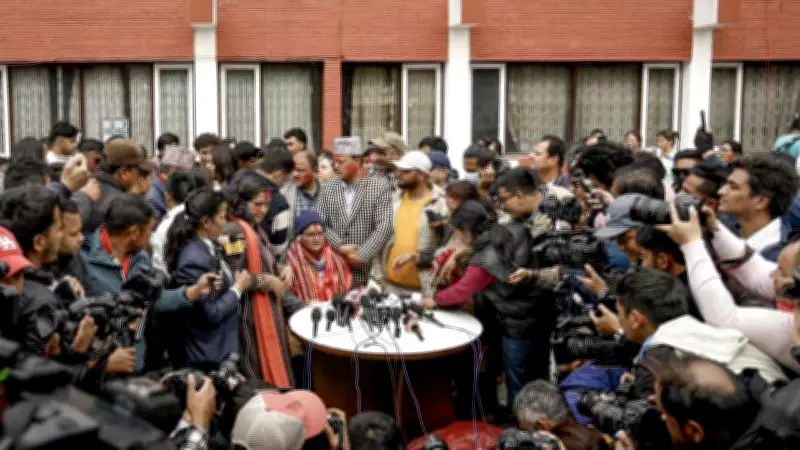
Several international leaders, including Prime Minister Narendra Modi, have already extended congratulations to RSP and its prime ministerial candidate Balen Shah. However, formal procedures remain crucial. Until the proportional representation tally is finalized and the Election Commission completes its official declaration, it could still require several days before Balen Shah is formally positioned to be named the winner and invited to form Nepal's next government.
The meticulous counting process reflects Nepal's commitment to democratic transparency following its recent political upheaval, ensuring that every vote receives proper scrutiny in this pivotal election.